


Once overlooked by European city-break travelers, Tirana has reinvented itself as one of the Balkans’ most energetic and forward-looking capitals. By 2026, the city stands confidently at the crossroads of history, creativity, and modern urban life. Colorful architecture, cutting-edge cultural spaces, experimental cuisine, and a youthful spirit define Tirana’s transformation into a destination that feels fresh, stylish, and unmistakably itself.
For travelers interested in contemporary culture rather than classic landmarks alone, Tirana offers an exciting mix of modern design, nightlife, innovation, and public space. Here are the most trendy and modern places to visit in Tirana in 2026.
Skanderbeg Square: The Modern Heartbeat of the City
Skanderbeg Square has evolved far beyond a traditional city plaza. In 2026, it functions as Tirana’s open-air living room — a minimalist, pedestrian-friendly space that reflects the city’s modern identity. Surrounded by cultural institutions, cafés, and government buildings, the square blends openness with bold urban design.
At different times of day, you’ll see locals skating, families relaxing, artists performing, and pop-up events appearing without warning. The square’s subtle lighting and clean lines make it especially atmospheric in the evening, when it becomes a gathering point for both residents and visitors.
The Pyramid of Tirana: From Monument to Creative Hub
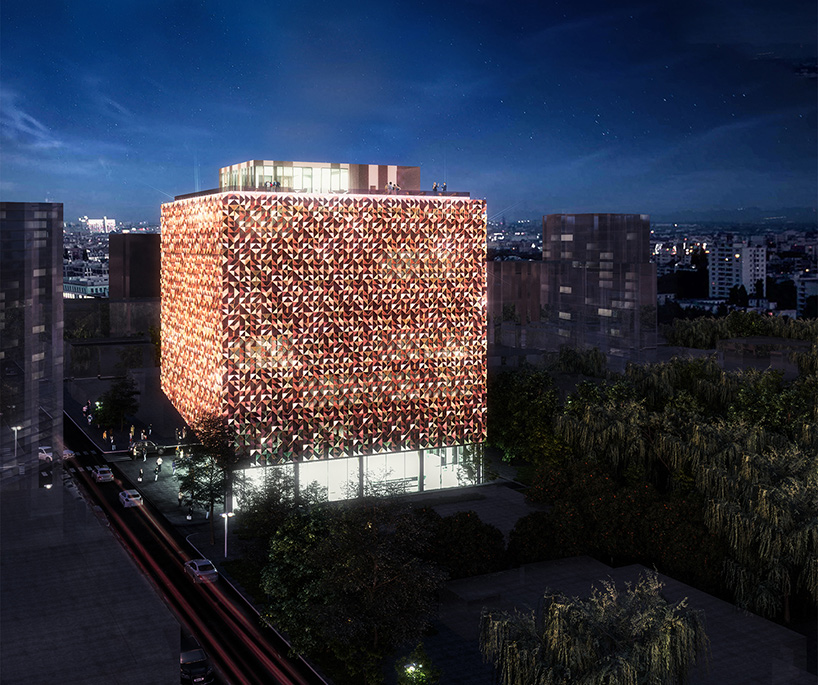
Once a symbol of dictatorship, the Pyramid of Tirana has fully embraced a new role by 2026. Now transformed into a vibrant center for technology, creativity, and youth culture, it represents how Tirana repurposes its past to shape its future.
Inside, you’ll find startup spaces, digital labs, design studios, and cultural workshops. Outside, locals climb its sloping sides for sunset views or attend open-air events at its base. The pyramid is no longer controversial — it’s one of the city’s most photographed and talked-about modern landmarks.
Blloku: Tirana’s Trendiest District
No visit to modern Tirana is complete without time in Blloku, the neighborhood that best captures the city’s contemporary energy. Once off-limits to ordinary citizens during communism, Blloku is now packed with stylish cafés, cocktail bars, fashion boutiques, and international restaurants.
In 2026, Blloku continues to evolve. Rooftop lounges, minimalist wine bars, and concept cafés attract a young, creative crowd. During the day, it’s perfect for coffee culture and people-watching; at night, it transforms into Tirana’s nightlife core, with DJs, live music, and late-night dining.
Pazari i Ri: Tradition Meets Modern Design
Pazari i Ri, the renovated New Bazaar, is one of Tirana’s most successful examples of blending tradition with modern aesthetics. By 2026, it has firmly established itself as a trendy daytime and evening destination.
The area combines colorful market stalls with sleek restaurants, modern bakeries, and outdoor seating. Locals and tourists mingle over artisanal food, fresh produce, and creative takes on Albanian cuisine. The architecture feels contemporary yet rooted in local character, making Pazari i Ri both photogenic and lively.
Lake Park and Artificial Lake Area
Modern cities thrive on green space, and Tirana’s Grand Park of the Artificial Lake has become a lifestyle hub by 2026. The park offers more than jogging paths and picnic spots — it’s a social and cultural zone.
Stylish cafés, modern playgrounds, cycling routes, and outdoor fitness areas line the lake. On weekends, you’ll find yoga sessions, small concerts, and food trucks. The contrast between natural scenery and urban life reflects Tirana’s modern priorities: wellness, community, and balance.
Contemporary Art and Design Spaces
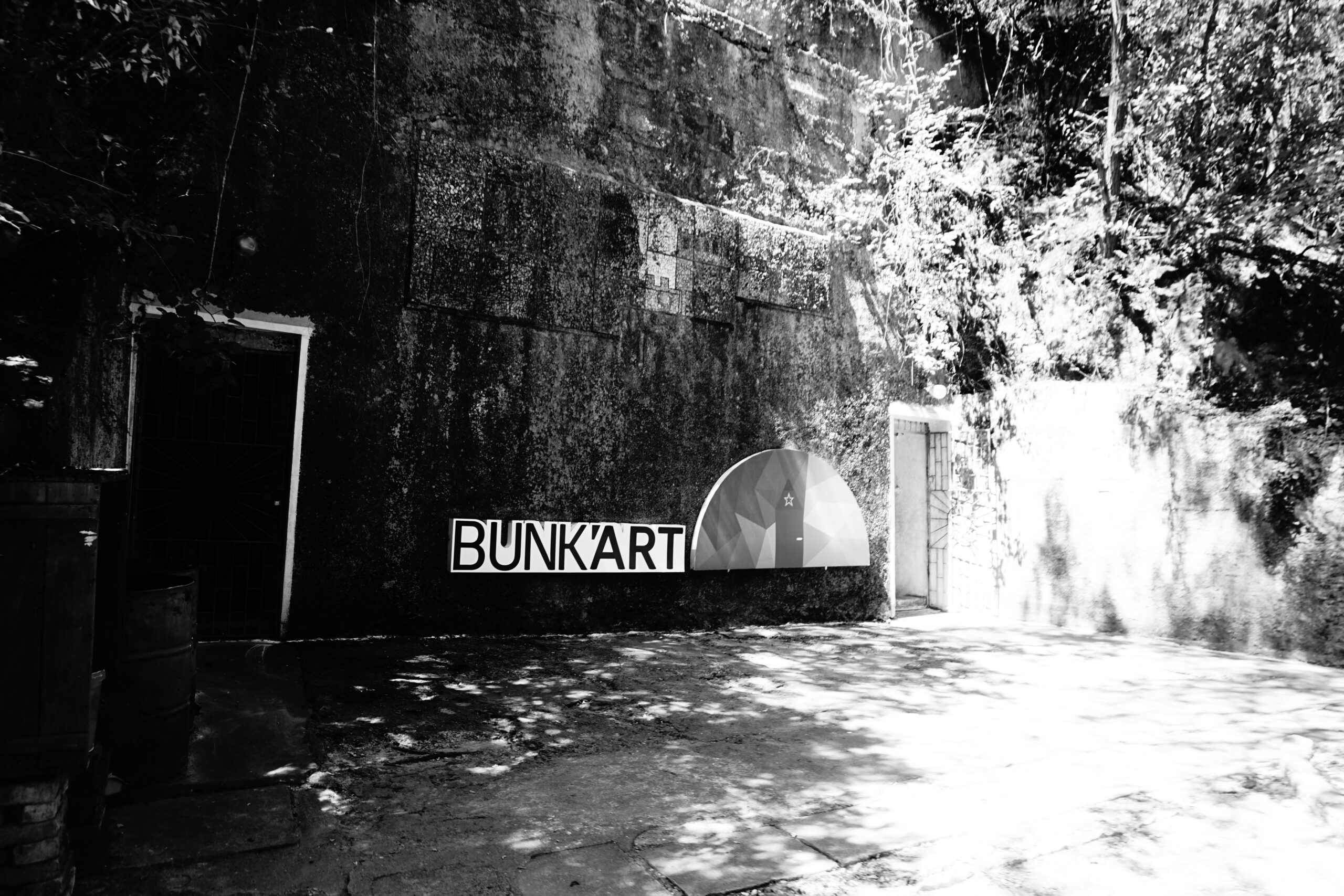
Tirana’s creative scene has expanded rapidly, and by 2026 the city supports a growing network of modern galleries, studios, and cultural spaces. Converted warehouses and former industrial buildings host exhibitions, installations, and experimental performances.
These spaces often blur the line between art, music, and social activism. Exhibitions focus on identity, urban life, and post-communist transformation, making them both visually striking and intellectually engaging. For travelers interested in modern culture, these venues offer a deeper understanding of Tirana’s evolving identity.
Rooftop Bars and Modern Dining
One of the clearest signs of Tirana’s modernization is its rooftop culture. In 2026, rooftop bars and terraces have become essential city experiences. From panoramic cocktail lounges to minimalist wine rooftops, these venues offer views of Mount Dajti, colorful neighborhoods, and the city skyline.
Modern Albanian cuisine also thrives here. Chefs experiment with traditional ingredients while presenting them through contemporary techniques and design. Farm-to-table concepts, vegan-friendly menus, and international fusion restaurants make Tirana a rising food destination in the region.
Murals and Urban Art Trails
Tirana’s streets double as an open-air gallery. Large-scale murals and street art projects decorate residential buildings, underpasses, and cultural corridors. In 2026, organized urban art routes guide visitors through the city’s most creative neighborhoods.
These murals reflect themes of freedom, youth, memory, and hope. They also symbolize Tirana’s transformation from gray uniformity to bold self-expression. Exploring the city on foot reveals surprises around every corner, making urban wandering one of the most rewarding modern experiences.
Technology and Innovation Spaces
Tirana’s future-focused identity is supported by growing tech and innovation hubs. Co-working spaces, digital nomad cafés, and startup incubators have become part of everyday city life by 2026.
These spaces attract international freelancers and entrepreneurs, contributing to a cosmopolitan atmosphere. Many combine workspaces with cafés, galleries, and event venues, blurring the line between productivity and social life. For visitors, they offer a glimpse into how Tirana positions itself as a forward-looking European capital.
Mount Dajti: A Modern Escape Above the City
Just outside the city center, Mount Dajti offers a modern nature escape. A cable car ride connects Tirana to panoramic viewpoints, stylish mountain restaurants, and eco-friendly leisure spaces.
By 2026, Dajti balances tourism with sustainability, featuring walking paths, outdoor dining, and event spaces that feel contemporary rather than rustic. It’s a popular spot for sunset drinks, weekend brunch, and photography — especially for travelers who want a modern experience without leaving the city’s orbit.
Why Tirana Feels So Modern in 2026
What makes Tirana stand out isn’t luxury or scale — it’s energy and authenticity. The city embraces change quickly, experiments boldly, and doesn’t try to imitate larger capitals. Its modern identity is shaped by young people, artists, entrepreneurs, and designers who see the city as a blank canvas.
Tirana in 2026 feels creative rather than polished, confident rather than curated.
Final Thoughts
Tirana has emerged as one of Europe’s most exciting modern cities precisely because it refuses to be predictable. Trendy neighborhoods, reimagined landmarks, vibrant public spaces, and a growing creative scene define its appeal.
For travelers seeking a city that feels alive, experimental, and forward-thinking, Tirana in 2026 offers something rare: a modern capital still writing its story — and inviting visitors to be part of it.