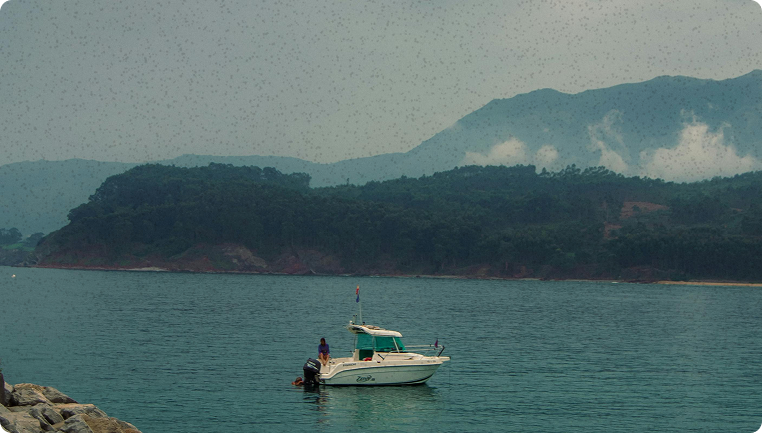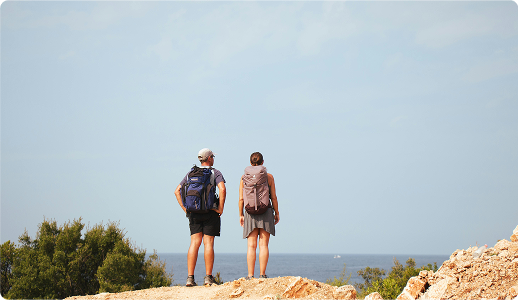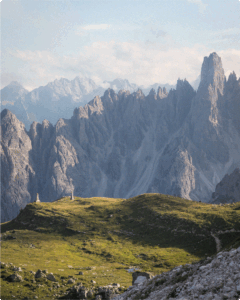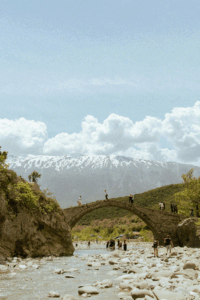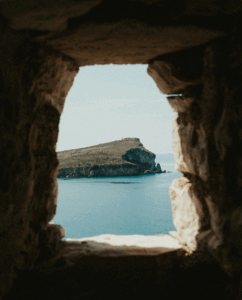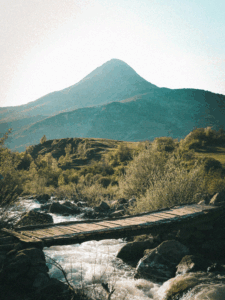




Welcome to Albania! The ultimate travel experience.

Number 1 must see country in 2026!

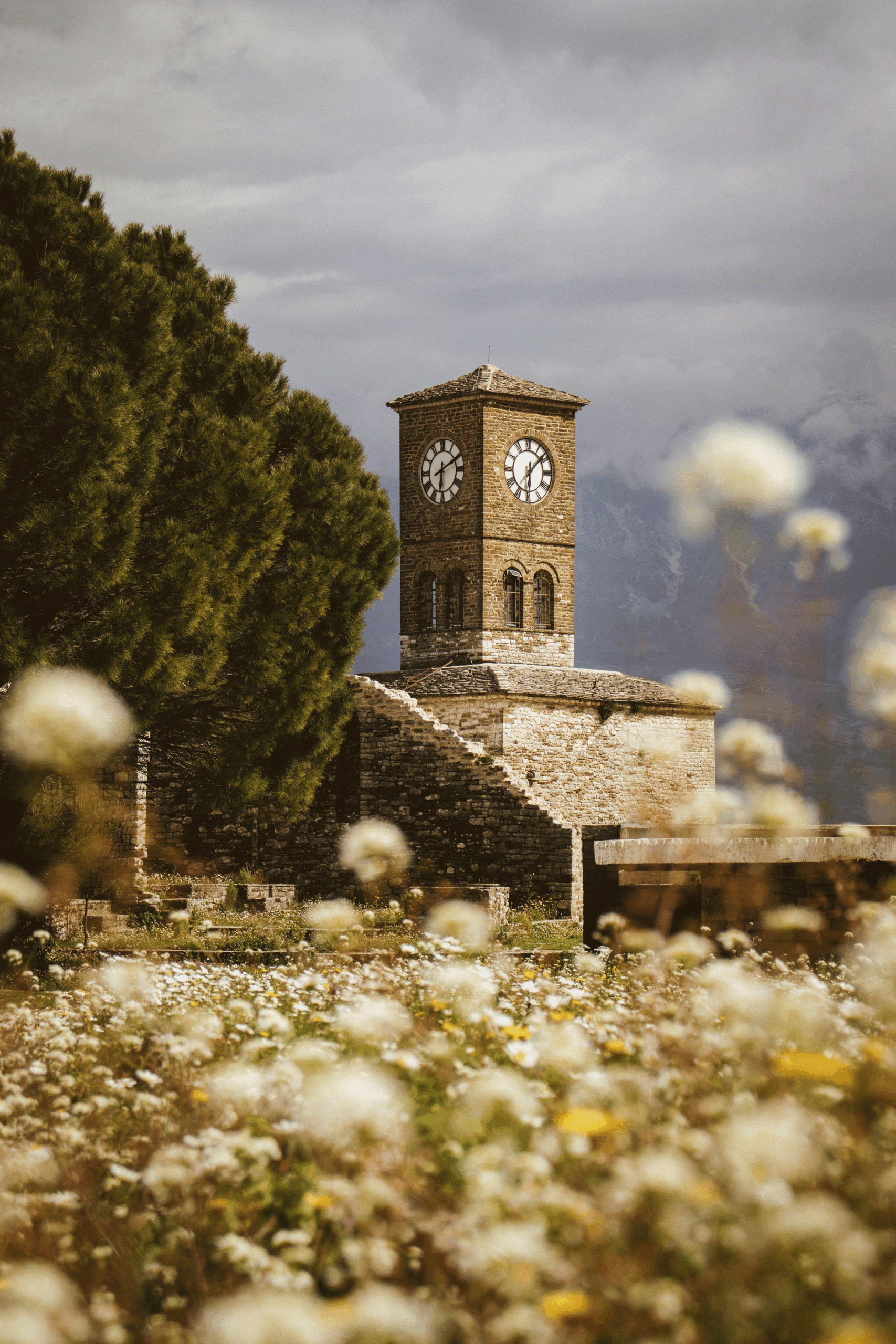
Rich Histroy and Culture

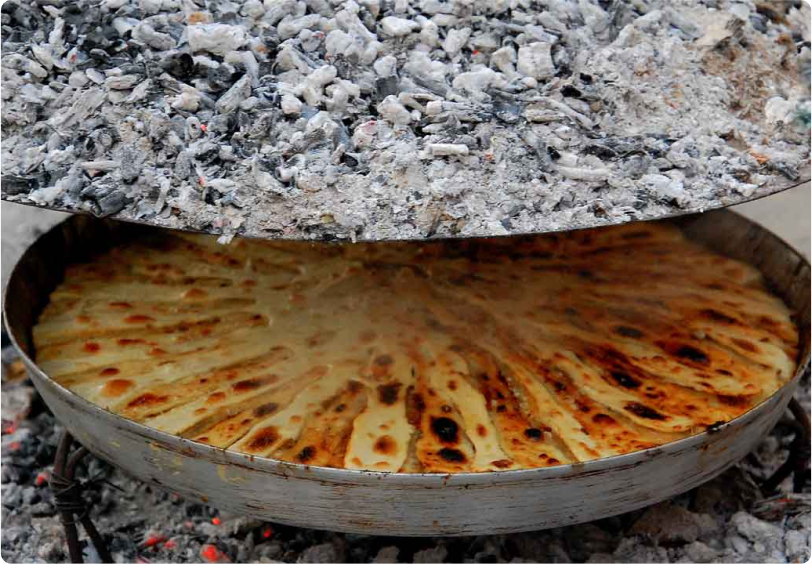
Delicious Cuisine

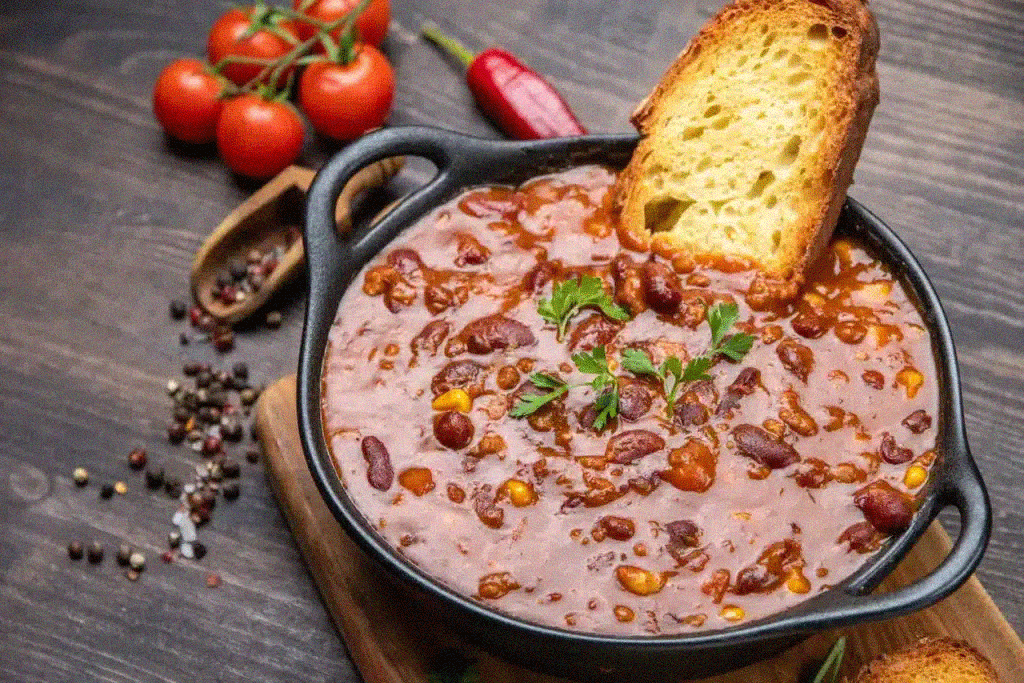
Affordable Travel

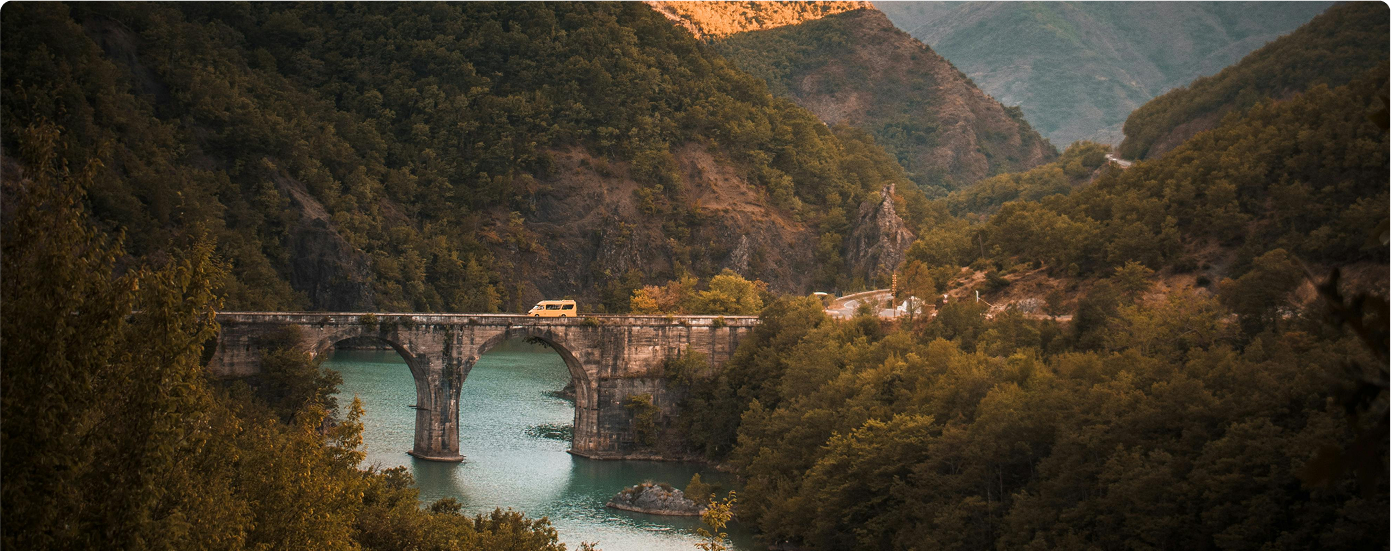
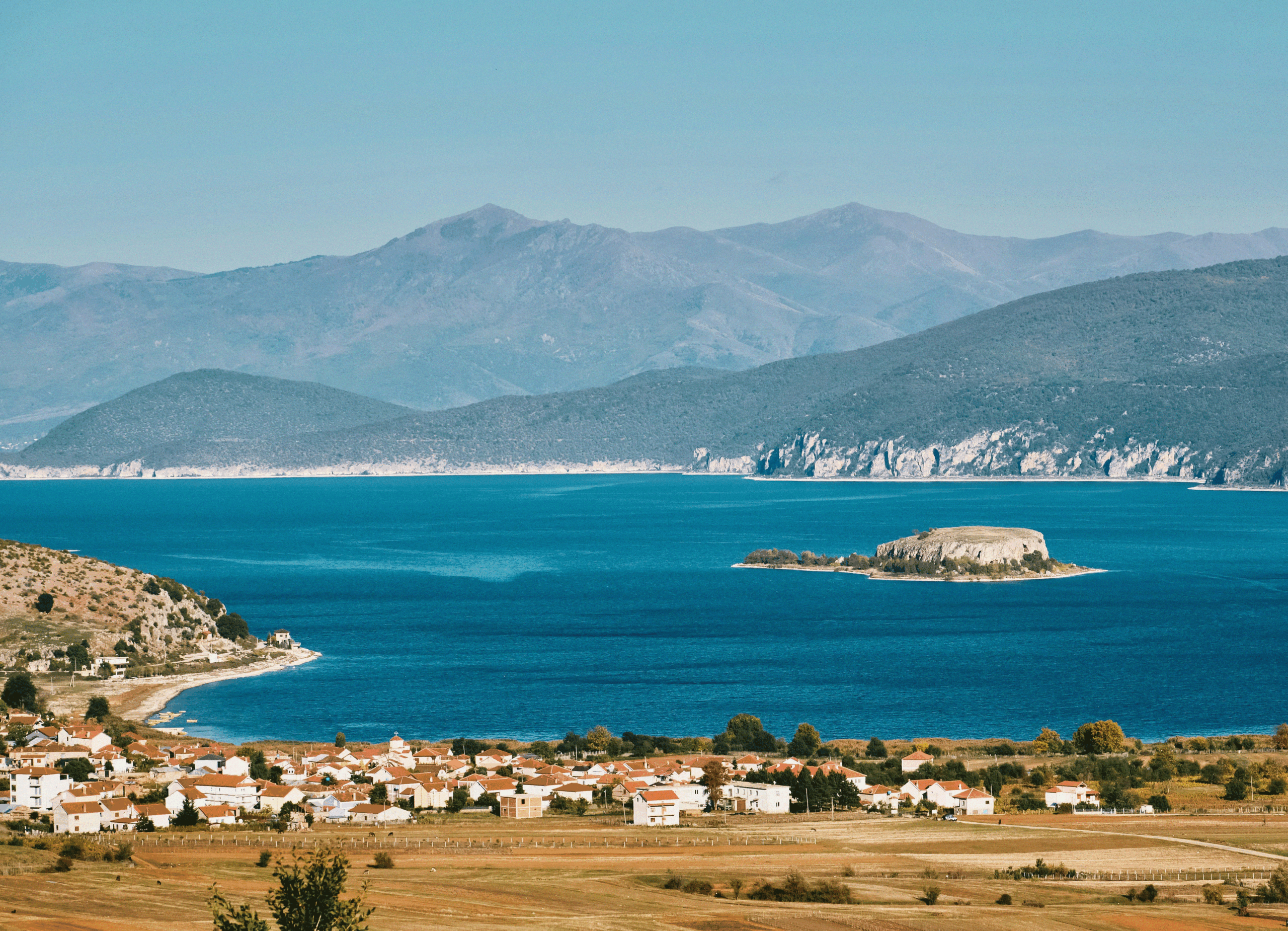
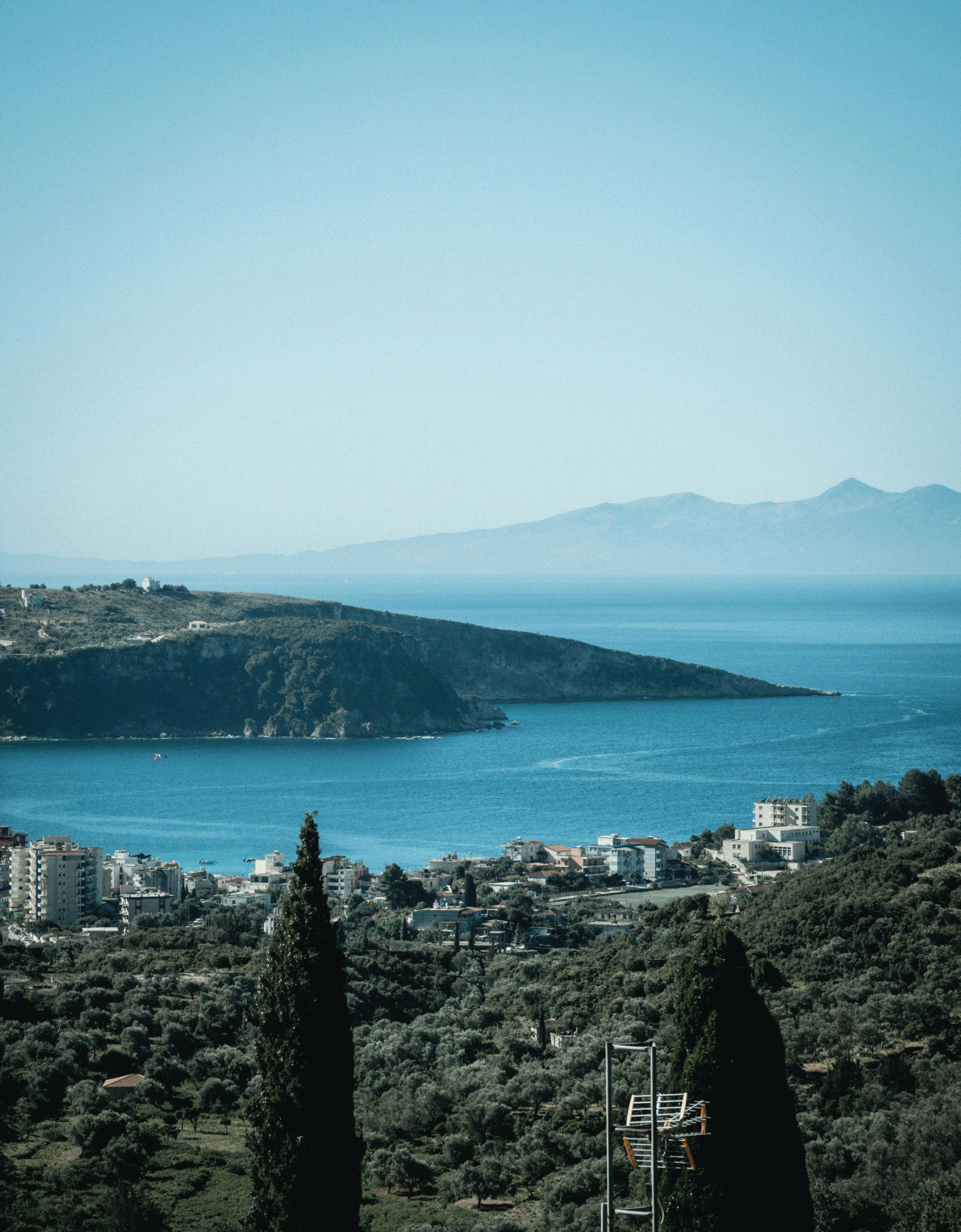
Stunning Natural Landscapes and Beaches

Number 1 must see country in 2026!

Rich Histroy and Culture

Delicious Cuisine

Affordable Travel

Stunning Natural Landscapes and Beaches

We will find your perfect holiday with our local experts!

What would you like to do?

Why choose us?

Albania Travel Agency wants to share the best of vibrant Albania with curious travelers. We believe a personal connection is the key to a unique and authentic journey. So we connect our guests to the best local hospitality professionals for an amazing experience, designed just for you. Our platform aims to help planning a trip feel effortless with trust and a personal connection, so each guest gets to feel the heart of Albania.
GIF

Unique Experiences

We offer experiences beyond the usual tourist trails. We want to convey authenticity and the heart of Albania.

GIF

Personalized Service

Every guest is unique, so itineraries are designed to match your preferences and needs, ensuring your trip feels truly yours.

GIF

Expert Knowledge

Experienced local hospitality professionals bring Albania’s history, culture and hidden gems to life with surprising tours and engaging stories.

GIF

Convenience & Comfort

Seamless travel planning, guided tours and transportation, premium accommodation and dining, with assistance during your trip.

GIF

Unique Experiences

We offer experiences beyond the usual tourist trails. We want to convey authenticity and the heart of Albania.

From pristine beaches to rugged mountains your adventure starts here

An Unforgettable Experience!

Our trip to Albania was magical! The team was incredibly professional, ensuring every detail was perfect. From the stunning landscapes to the rich culture, it was a trip we’ll cherish forever. Highly recommend their services!

-Sarah, Amsterdam, Netherlands

Exceptional Service and Expertise!

The guides were knowledgeable and passionate about Albania's history and culture. They took us to places we would never have found on our own. The seamless organization made our vacation stress-free.

-David, Utrecht, Netherlands

Are you the next one?

Travel Insight

Read article

Albania’s UNESCO World Heritage Sites: A Journey Through Time

Albania may be a small country, but its cultural and natural heritage is remarkably rich. Positioned at the crossroads of civilizations, Albania has absorbed influences from Illyrian tribes, Romans, Byzantines, Ottomans, and modern Europe. This layered history is recognized globally through several UNESCO World Heritage Sites, each offering a distinct window into the country’s past and identity.

Visiting Albania’s UNESCO sites is not simply about ticking landmarks off a list. These places reveal how Albanians lived, built, believed, and adapted over centuries. From ancient ruins to stone-built cities and prehistoric landscapes, these destinations form the backbone of any meaningful journey through the country.

Butrint: An Ancient City Shaped by Civilizations

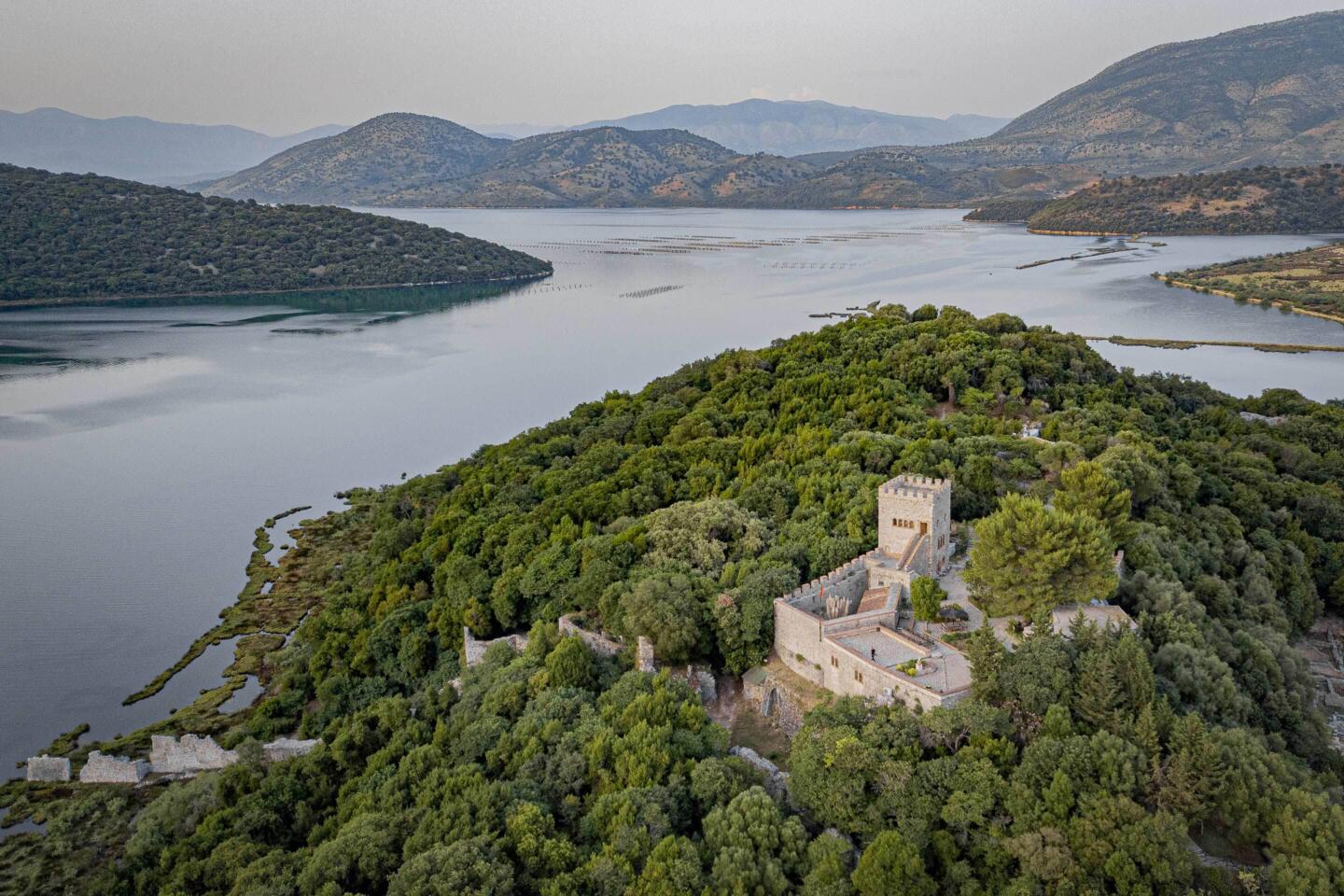
Located in southern Albania near the Greek border, Butrint is one of the country’s most extraordinary UNESCO sites. Unlike isolated ruins, Butrint is an entire ancient city set within a lush natural landscape of wetlands and forests.

Founded in antiquity, Butrint passed through the hands of multiple civilizations. The remains include Greek theaters, Roman baths, early Christian basilicas, Byzantine fortifications, and Venetian defenses. Each era built upon the last rather than erasing it, creating a layered archaeological story that unfolds as you walk through the site.

What makes Butrint especially memorable is its atmosphere. The ruins are surrounded by water and greenery, giving the impression of a city slowly reclaimed by nature. Peacocks wander among the stones, and quiet paths invite reflection. Butrint offers a rare combination of historical depth and natural beauty, making it one of the most compelling ancient sites in the Balkans.

Historic Centres of Berat and Gjirokastër: Cities of Stone and Tradition

Two of Albania’s most iconic towns, Berat and Gjirokastër, are jointly listed as UNESCO World Heritage Sites for their exceptional preservation of Ottoman-era urban architecture. Though geographically distant, they share a similar spirit: stone houses climbing hillsides, narrow streets, and a sense of continuity that feels almost untouched by time.

Berat is often called the “city of a thousand windows.” Its white Ottoman houses rise along the slopes above the Osum River, their large windows facing outward in careful symmetry. The historic quarters of Mangalem and Gorica sit on opposite sides of the river, connected by an ancient stone bridge. Above them all stands Berat Castle, still inhabited today, blending everyday life with centuries-old walls.

Gjirokastër, by contrast, feels more dramatic. Known as the “stone city,” its slate-roofed houses and fortress dominate the surrounding valley. The architecture here reflects wealth, defense, and status, with fortified homes designed to protect extended families. Walking through Gjirokastër’s old bazaar and steep streets feels like stepping into a living museum.

Together, Berat and Gjirokastër illustrate how Albanian cities adapted Ottoman influences into something uniquely local, balancing beauty, practicality, and resilience.

Gjirokastër Fortress: A Stronghold of Power and Memory

While Gjirokastër is already included as a historic center, its fortress deserves special attention. Perched high above the town, the castle has served many roles over the centuries: military base, prison, and symbol of authority.

The fortress walls enclose expansive courtyards, towers, and underground spaces. From its ramparts, visitors can see sweeping views of the Drino Valley and surrounding mountains. Inside, exhibits explore local history, military artifacts, and the changing use of the structure over time.

The fortress also reflects Albania’s turbulent 20th century. During the communist era, parts of it were used as a prison, linking the site not only to medieval power but also to modern political repression. This layered history makes the fortress a powerful place to understand Albania’s long struggle for autonomy and identity.

Ohrid Region (Shared Heritage): A Natural and Cultural Treasure

Although better known for its North Macedonian side, the Ohrid region includes Albanian territory and forms part of a UNESCO-listed natural and cultural landscape. Lake Ohrid is one of Europe’s oldest and deepest lakes, home to unique ecosystems and human settlement stretching back thousands of years.

On the Albanian side, small villages and ancient remains reveal how people have lived alongside the lake for centuries. The site’s significance lies in the interaction between nature and culture — a theme increasingly valued by UNESCO.

Visiting this region offers a quieter, less crowded experience compared to other European lake destinations. It highlights Albania’s role in protecting shared heritage and demonstrates how cultural identity often extends beyond modern borders.


Ancient Beech Forests of the Carpathians and Other Regions of Europe

Albania is also part of a transnational UNESCO site: the Ancient and Primeval Beech Forests of Europe. These forests represent untouched ecosystems that have survived since the last Ice Age.

In Albania, protected beech forests can be found in mountainous regions where human impact has remained minimal. Visiting these areas offers a completely different UNESCO experience — one rooted in ecology rather than architecture.

Walking through these forests, visitors encounter towering trees, quiet trails, and a sense of deep time. The inclusion of Albania in this listing underscores the country’s importance not only as a cultural crossroads, but also as a guardian of Europe’s natural heritage.


Why UNESCO Sites Matter in Albania

Albania’s UNESCO sites are united by one theme: survival. Empires came and went, borders shifted, and ideologies rose and fell, yet these places endured. In many cases, preservation was not the result of wealth or power, but of isolation and continuity.

Unlike more heavily touristed UNESCO destinations, Albania’s sites often feel intimate. You can wander ancient streets, climb fortress walls, or explore archaeological paths without crowds or commercialization. This creates a more personal connection to history and allows visitors to experience heritage as lived space rather than staged attraction.

Tips for Visiting Albania’s UNESCO Sites

  • Allow time for slow exploration; these sites reward patience.

  • Combine cultural visits with local food and conversation to deepen context.

  • Respect preservation rules, especially in archaeological and natural areas.

  • Travel beyond peak summer months for a more authentic experience.


Final Thoughts

Albania’s UNESCO World Heritage Sites offer a journey through thousands of years of human and natural history. From ancient cities reclaimed by nature to stone towns that still breathe with daily life, these places tell stories of adaptation, creativity, and endurance.

For travelers seeking depth rather than spectacle, Albania’s UNESCO heritage provides a rare opportunity: to explore world-class sites that still feel personal, authentic, and deeply connected to the people who call them home.
Read article

Exploring Albanian Religious Culture and History: Four Sacred Sites to Visit

Albania is often described as one of Europe’s most religiously tolerant countries, but that reputation did not appear overnight. Shaped by centuries of shifting empires, belief systems, and political ideologies, Albanian religious culture is deeply intertwined with national identity, resilience, and coexistence. Christianity arrived early, Islam spread during the Ottoman era, and all faiths endured decades of suppression during the communist period, when Albania declared itself the world’s first officially atheist state.

Today, religious life has re-emerged not as a source of division, but as a quiet reflection of history and shared values. Visiting Albania’s sacred sites is less about strict devotion and more about understanding how faith, culture, and survival intersect. The following four sites offer a powerful introduction to Albania’s religious heritage, each representing a different layer of the country’s spiritual story.

1. Et’hem Bey Mosque (Tirana): Faith at the Center of Public Life

Located in Skanderbeg Square, the Et’hem Bey Mosque stands at the symbolic heart of Albania’s capital. Built in the late 18th and early 19th centuries, the mosque reflects the Ottoman influence that shaped much of Albania’s religious and architectural landscape.

What makes this mosque especially important is not its size, but its survival. During the communist era, religious practice was banned, mosques and churches were closed, and clergy were imprisoned or executed. Et’hem Bey Mosque was shut for decades, yet it remained physically intact. In 1991, as communism collapsed, thousands of people gathered here for the first public prayer in a generation — a quiet but powerful act of reclaiming religious freedom.

Inside, the mosque’s frescoes are unusually detailed, depicting trees, waterfalls, and landscapes rather than purely geometric designs. These natural motifs reflect a softer, more localized interpretation of Islamic art. Visiting Et’hem Bey offers insight into how Islam in Albania developed alongside local traditions, rather than replacing them.

2. Orthodox Autocephalous Cathedral of the Resurrection (Tirana): Renewal and Identity

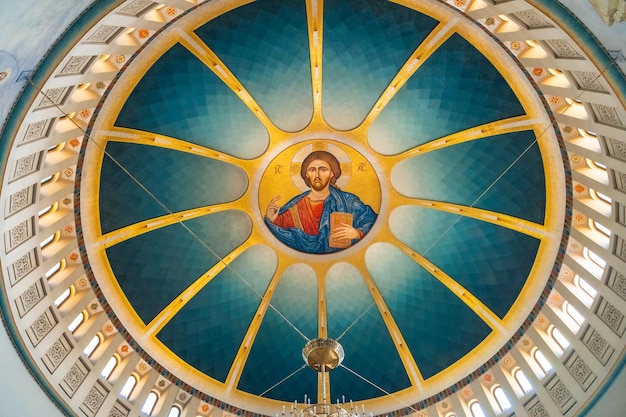
Just a short walk from Et’hem Bey Mosque stands the Orthodox Cathedral of the Resurrection, one of the largest Orthodox churches in the Balkans. Completed in the 21st century, the cathedral represents not ancient continuity, but rebirth.

Orthodox Christianity has deep roots in southern Albania, dating back to early Christianity in the Roman and Byzantine periods. However, decades of state atheism nearly erased visible Orthodox life. The construction of this cathedral after the fall of communism symbolized the return of faith and the reassertion of Albanian Orthodox identity.

Architecturally, the cathedral blends traditional Orthodox elements with modern design. Its clean lines, large dome, and contemporary materials reflect Albania’s forward-looking approach to religion — respectful of tradition without being trapped by it. Inside, iconography follows Orthodox conventions, yet the atmosphere feels open and welcoming rather than imposing.

The cathedral is also a cultural space, hosting concerts and public events. This dual role highlights an important feature of Albanian religious life: sacred spaces often function as places of community rather than strict separation.

3. Ardenica Monastery (Central Albania): A Christian Sanctuary Through Empires

Set atop a hill overlooking fertile plains, Ardenica Monastery is one of Albania’s most historically rich Christian sites. Founded in the Middle Ages, the monastery has survived Byzantine rule, Ottoman domination, and communist repression.

Ardenica is especially significant because it represents continuity. While many religious institutions were destroyed or abandoned over time, this monastery endured, albeit quietly. Its location — secluded but not isolated — allowed it to function as a place of learning and worship for centuries.

Inside the Church of Saint Mary, visitors find frescoes painted by renowned Balkan artists. The artwork blends religious themes with local influences, showing saints dressed in regional styles and faces that feel distinctly human. This personalization reflects how Christianity in Albania adapted to local culture rather than existing apart from it.

The monastery is also linked to Albanian national history. It is believed that the national hero Skanderbeg was married here, connecting religious heritage with the broader story of Albanian resistance and identity.

4. Bektashi World Headquarters (Tirana): Spirituality, Tolerance, and Mysticism

One of Albania’s most unique religious traditions is Bektashism, a Sufi Islamic order known for its emphasis on spirituality, equality, and tolerance. The Bektashi World Headquarters in Tirana is not only the global center of the order, but also a powerful symbol of Albania’s inclusive religious culture.

Unlike more orthodox forms of Islam, Bektashism incorporates elements of mysticism, poetry, and symbolic ritual. It has historically welcomed people of different backgrounds and promoted harmony between faiths. This philosophy resonated strongly in Albania, where religious identity often took a back seat to shared language and culture.

The complex itself feels peaceful rather than formal. Visitors are often welcomed with tea and conversation, reflecting the Bektashi emphasis on hospitality. Shrines, portraits of spiritual leaders, and quiet courtyards invite reflection rather than strict observance.

During the communist era, Bektashi leaders were persecuted, and many tekkes were destroyed. The survival and revival of the order after 1991 stands as a testament to Albania’s spiritual resilience and its commitment to religious coexistence.

Religion and Coexistence in Albanian Culture

What unites these four sites is not theological similarity, but shared history. Albania’s religious culture is defined less by doctrine and more by experience: centuries of foreign rule, shared hardship, and enforced silence under communism.

Today, it is common to see mosques, churches, and tekkes standing within minutes of each other. Interfaith families are not unusual, and religious holidays are often respected across communities. This coexistence is not performative — it is practical, shaped by the understanding that identity in Albania has always been layered.

Religion here is personal rather than political, cultural rather than confrontational.

Tips for Visiting Religious Sites in Albania

  • Dress modestly, especially when entering mosques and monasteries.

  • Photography is usually allowed, but always observe posted signs.

  • Be respectful of prayer times and ceremonies.

  • Engage in conversation when invited — Albanians are often eager to share their history.


Final Thoughts

Exploring Albania’s religious sites offers more than architectural beauty or historical facts. It reveals how faith survived suppression, adapted to cultural realities, and re-emerged as a quiet force for unity rather than division.

By visiting the Et’hem Bey Mosque, the Orthodox Cathedral of the Resurrection, Ardenica Monastery, and the Bektashi World Headquarters, travelers gain a deeper understanding of Albania’s past — and a clearer picture of why religious tolerance is not just an ideal here, but a lived reality.

In Albania, religion tells a story not of conflict, but of endurance.

Read article

Top Adventure Activities in Albania for Thrill-Seekers

Albania may still be an under-the-radar destination, but for adventure travelers it is one of Europe’s most exciting frontiers. With wild mountain ranges, untamed rivers, rugged coastlines, and vast open landscapes, the country offers a rare combination: raw nature, minimal crowds, and genuinely challenging outdoor experiences. Whether you crave adrenaline, endurance, or exploration, Albania delivers adventure in its purest form.

From canyoning through limestone gorges to paragliding above the Ionian Sea, Albania is a playground for thrill-seekers who want more than polished resorts and overdeveloped trails.

White-Water Rafting on the Vjosa River

One of Albania’s greatest natural treasures is the Vjosa River, one of the last free-flowing wild rivers in Europe. Unlike many European rivers that are heavily dammed, the Vjosa runs untouched from the Pindus Mountains to the Adriatic Sea.

Rafting here is both thrilling and scenic. Rapids range from beginner-friendly stretches to more technical sections that test balance and teamwork. Spring snowmelt creates faster currents, while summer offers clearer water and calmer conditions. What makes rafting on the Vjosa special isn’t just the adrenaline — it’s the sense of isolation. You’re surrounded by steep canyon walls, forests, and silence broken only by rushing water.

Canyoning in Osum Canyon

Osum Canyon, often called Albania’s “Grand Canyon,” is a dream destination for canyoning enthusiasts. Towering limestone walls, narrow passages, waterfalls, and turquoise pools create an ever-changing obstacle course carved by nature.

Canyoning here involves rappelling down waterfalls, jumping into deep pools, swimming through narrow gorges, and navigating smooth rock corridors shaped over thousands of years. During spring and early summer, the canyon is alive with flowing water, adding intensity to the experience. Later in the season, lower water levels make technical maneuvers more accessible.

This is one of Albania’s most immersive adventure activities — demanding physical effort, trust in your guide, and a willingness to embrace the unknown.

Hiking the Accursed Mountains (Albanian Alps)

The Albanian Alps, also known as the Accursed Mountains, offer some of the most dramatic hiking terrain in the Balkans. Sharp peaks, deep valleys, and remote villages define this rugged region in northern Albania.

Multi-day treks between villages like Valbona, Theth, and Vermosh challenge endurance while rewarding hikers with sweeping views and authentic mountain hospitality. Trails climb through dense forests, alpine meadows, and exposed ridgelines. Unlike crowded Alpine routes elsewhere in Europe, these paths feel wild and personal.

For thrill-seekers, the appeal lies in both the physical challenge and the remoteness. Weather can change quickly, trails can be demanding, and self-reliance is essential — making every successful trek deeply satisfying.

Rock Climbing in Albania’s Limestone Crags

Albania’s geology makes it a natural rock-climbing destination. Limestone cliffs rise sharply along rivers, valleys, and coastal areas, offering a range of routes for climbers of different levels.

Areas near Berat, Gjipe Canyon, and the Albanian Riviera feature both sport climbing and trad opportunities. Many routes remain relatively unexplored, adding an element of discovery to each climb. For experienced climbers, the thrill comes from reading new lines and trusting your skills in less commercialized areas.

Climbing here often combines adrenaline with stunning scenery — vertical ascents framed by olive groves, turquoise water, and ancient landscapes.

Paragliding Over the Albanian Riviera

For those who prefer airborne thrills, paragliding along the Albanian Riviera offers unforgettable views and heart-pounding moments. Launch points near Llogara Pass provide dramatic elevation changes, allowing pilots to glide from mountain heights toward the Ionian Sea.

Floating above cliffs, forests, and coastal villages delivers a sense of freedom that few experiences can match. Thermal currents and coastal winds create dynamic flying conditions, making each flight unique.

Even tandem flights provide an intense rush, especially during takeoff and landing, while the extended airtime lets you absorb Albania’s coastal beauty from an entirely new perspective.

Scuba Diving and Freediving in the Ionian Sea

Albania’s southern coastline hides underwater adventures that remain largely undiscovered. The Ionian Sea offers clear visibility, rocky reefs, sea caves, and even shipwrecks waiting to be explored.

Scuba diving reveals steep underwater walls and marine life thriving in relatively untouched waters. Freediving, in particular, appeals to thrill-seekers who value control, breath-holding, and mental focus. Diving into blue depths along dramatic cliffs adds an element of personal challenge that goes beyond standard recreational dives.

The absence of mass tourism means dive sites feel quiet and authentic, heightening the sense of exploration.

Off-Roading Through Remote Landscapes

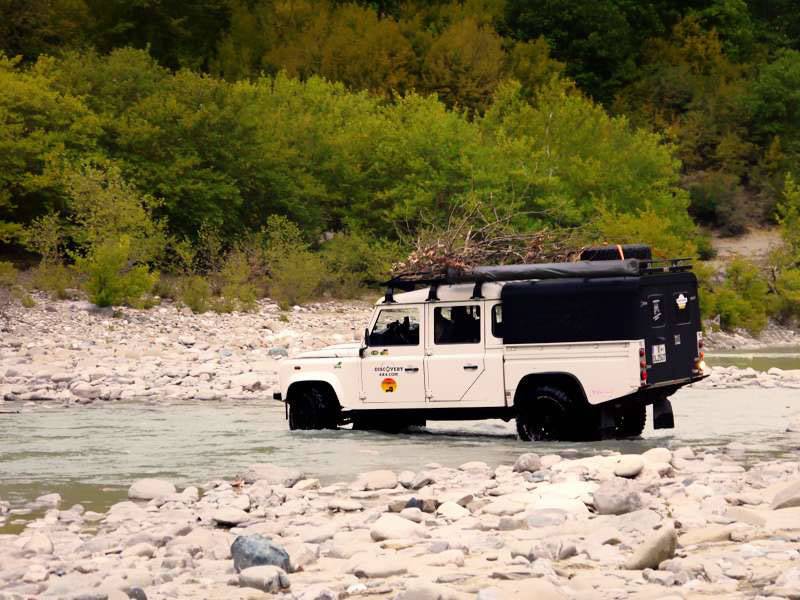
For adrenaline lovers who prefer engines to ropes, Albania’s terrain is ideal for off-road adventures. Mountain tracks, river crossings, and rough gravel roads wind through remote regions where modern infrastructure barely exists.

4×4 expeditions through areas like the Albanian Alps or the southern highlands test driving skills and navigation. Changing weather, steep climbs, and uneven surfaces demand constant attention. Off-roading here isn’t about speed — it’s about control, endurance, and adapting to unpredictable conditions.

Every journey feels like an expedition rather than a tour.

Mountain Biking on Wild Trails

Albania’s rugged landscapes also attract mountain bikers looking for technical descents and long endurance rides. Trails cut through mountain passes, forest paths, and abandoned roads once used by shepherds and military patrols.

Steep climbs are followed by fast, rocky descents that demand precision and stamina. In remote areas, riders must carry their own supplies and plan carefully, adding a layer of self-sufficiency that appeals to experienced cyclists.

Biking here is challenging, physical, and deeply rewarding — with few crowds and endless open space.

Kayaking Along Canyons and Coastlines

Sea kayaking along Albania’s coast offers a different kind of thrill. Paddling past cliffs, caves, and hidden beaches requires strength and navigation skills, especially when conditions change.

Inland, river kayaking through gorges delivers fast water, tight turns, and technical sections. Whether on the sea or rivers, kayaking in Albania combines physical exertion with moments of calm, creating a balanced adventure experience.

Why Albania Is Perfect for Thrill-Seekers

Albania stands out because its adventures are still raw. Trails aren’t overdeveloped, rivers aren’t heavily regulated, and landscapes feel genuine rather than curated. This means greater responsibility — but also greater reward.

For thrill-seekers, Albania offers something increasingly rare in Europe: true adventure shaped by nature, not tourism.

Final Thoughts

From white-water rapids and alpine hikes to airborne thrills and underwater exploration, Albania is a destination where adrenaline meets authenticity. It challenges you physically, tests your comfort zone, and rewards you with unforgettable landscapes and experiences.

If you’re searching for adventure that feels real — not rehearsed — Albania is waiting.

Read article

Trendy Tirana: What’s Hot in 2026

Once overlooked by European city-break travelers, Tirana has reinvented itself as one of the Balkans’ most energetic and forward-looking capitals. By 2026, the city stands confidently at the crossroads of history, creativity, and modern urban life. Colorful architecture, cutting-edge cultural spaces, experimental cuisine, and a youthful spirit define Tirana’s transformation into a destination that feels fresh, stylish, and unmistakably itself.

For travelers interested in contemporary culture rather than classic landmarks alone, Tirana offers an exciting mix of modern design, nightlife, innovation, and public space. Here are the most trendy and modern places to visit in Tirana in 2026.

Skanderbeg Square: The Modern Heartbeat of the City

Skanderbeg Square has evolved far beyond a traditional city plaza. In 2026, it functions as Tirana’s open-air living room — a minimalist, pedestrian-friendly space that reflects the city’s modern identity. Surrounded by cultural institutions, cafés, and government buildings, the square blends openness with bold urban design.

At different times of day, you’ll see locals skating, families relaxing, artists performing, and pop-up events appearing without warning. The square’s subtle lighting and clean lines make it especially atmospheric in the evening, when it becomes a gathering point for both residents and visitors.

The Pyramid of Tirana: From Monument to Creative Hub

Once a symbol of dictatorship, the Pyramid of Tirana has fully embraced a new role by 2026. Now transformed into a vibrant center for technology, creativity, and youth culture, it represents how Tirana repurposes its past to shape its future.

Inside, you’ll find startup spaces, digital labs, design studios, and cultural workshops. Outside, locals climb its sloping sides for sunset views or attend open-air events at its base. The pyramid is no longer controversial — it’s one of the city’s most photographed and talked-about modern landmarks.

Blloku: Tirana’s Trendiest District

No visit to modern Tirana is complete without time in Blloku, the neighborhood that best captures the city’s contemporary energy. Once off-limits to ordinary citizens during communism, Blloku is now packed with stylish cafés, cocktail bars, fashion boutiques, and international restaurants.

In 2026, Blloku continues to evolve. Rooftop lounges, minimalist wine bars, and concept cafés attract a young, creative crowd. During the day, it’s perfect for coffee culture and people-watching; at night, it transforms into Tirana’s nightlife core, with DJs, live music, and late-night dining.

Pazari i Ri: Tradition Meets Modern Design

Pazari i Ri, the renovated New Bazaar, is one of Tirana’s most successful examples of blending tradition with modern aesthetics. By 2026, it has firmly established itself as a trendy daytime and evening destination.

The area combines colorful market stalls with sleek restaurants, modern bakeries, and outdoor seating. Locals and tourists mingle over artisanal food, fresh produce, and creative takes on Albanian cuisine. The architecture feels contemporary yet rooted in local character, making Pazari i Ri both photogenic and lively.

Lake Park and Artificial Lake Area

Modern cities thrive on green space, and Tirana’s Grand Park of the Artificial Lake has become a lifestyle hub by 2026. The park offers more than jogging paths and picnic spots — it’s a social and cultural zone.

Stylish cafés, modern playgrounds, cycling routes, and outdoor fitness areas line the lake. On weekends, you’ll find yoga sessions, small concerts, and food trucks. The contrast between natural scenery and urban life reflects Tirana’s modern priorities: wellness, community, and balance.

Contemporary Art and Design Spaces

Tirana’s creative scene has expanded rapidly, and by 2026 the city supports a growing network of modern galleries, studios, and cultural spaces. Converted warehouses and former industrial buildings host exhibitions, installations, and experimental performances.

These spaces often blur the line between art, music, and social activism. Exhibitions focus on identity, urban life, and post-communist transformation, making them both visually striking and intellectually engaging. For travelers interested in modern culture, these venues offer a deeper understanding of Tirana’s evolving identity.

Rooftop Bars and Modern Dining

One of the clearest signs of Tirana’s modernization is its rooftop culture. In 2026, rooftop bars and terraces have become essential city experiences. From panoramic cocktail lounges to minimalist wine rooftops, these venues offer views of Mount Dajti, colorful neighborhoods, and the city skyline.

Modern Albanian cuisine also thrives here. Chefs experiment with traditional ingredients while presenting them through contemporary techniques and design. Farm-to-table concepts, vegan-friendly menus, and international fusion restaurants make Tirana a rising food destination in the region.

Murals and Urban Art Trails

Tirana’s streets double as an open-air gallery. Large-scale murals and street art projects decorate residential buildings, underpasses, and cultural corridors. In 2026, organized urban art routes guide visitors through the city’s most creative neighborhoods.

These murals reflect themes of freedom, youth, memory, and hope. They also symbolize Tirana’s transformation from gray uniformity to bold self-expression. Exploring the city on foot reveals surprises around every corner, making urban wandering one of the most rewarding modern experiences.

Technology and Innovation Spaces

Tirana’s future-focused identity is supported by growing tech and innovation hubs. Co-working spaces, digital nomad cafés, and startup incubators have become part of everyday city life by 2026.

These spaces attract international freelancers and entrepreneurs, contributing to a cosmopolitan atmosphere. Many combine workspaces with cafés, galleries, and event venues, blurring the line between productivity and social life. For visitors, they offer a glimpse into how Tirana positions itself as a forward-looking European capital.

Mount Dajti: A Modern Escape Above the City

Just outside the city center, Mount Dajti offers a modern nature escape. A cable car ride connects Tirana to panoramic viewpoints, stylish mountain restaurants, and eco-friendly leisure spaces.

By 2026, Dajti balances tourism with sustainability, featuring walking paths, outdoor dining, and event spaces that feel contemporary rather than rustic. It’s a popular spot for sunset drinks, weekend brunch, and photography — especially for travelers who want a modern experience without leaving the city’s orbit.

Why Tirana Feels So Modern in 2026

What makes Tirana stand out isn’t luxury or scale — it’s energy and authenticity. The city embraces change quickly, experiments boldly, and doesn’t try to imitate larger capitals. Its modern identity is shaped by young people, artists, entrepreneurs, and designers who see the city as a blank canvas.

Tirana in 2026 feels creative rather than polished, confident rather than curated.

Final Thoughts

Tirana has emerged as one of Europe’s most exciting modern cities precisely because it refuses to be predictable. Trendy neighborhoods, reimagined landmarks, vibrant public spaces, and a growing creative scene define its appeal.

For travelers seeking a city that feels alive, experimental, and forward-thinking, Tirana in 2026 offers something rare: a modern capital still writing its story — and inviting visitors to be part of it.

Read article

Discovering Communist Albania; Remnants of the Soviet AEra

Albania is one of Europe’s most intriguing destinations for travelers interested in Cold War history. For nearly half a century, the country lived under one of the most rigid communist regimes in the world. Although Albania was never formally part of the Soviet Union, its political system, architecture, and ideology were deeply shaped by Soviet-style communism. Under the rule of Enver Hoxha, Albania became isolated, paranoid, and heavily militarized, leaving behind physical reminders that still dot the landscape today.

From underground bunkers to abandoned prisons and stark monuments, Albania’s communist remnants tell the story of fear, control, and survival. Visiting these sites offers more than sightseeing — it provides insight into how ideology shaped daily life and how Albanians now confront a difficult past.

Bunk’Art 1: A Cold War World Beneath the Mountain

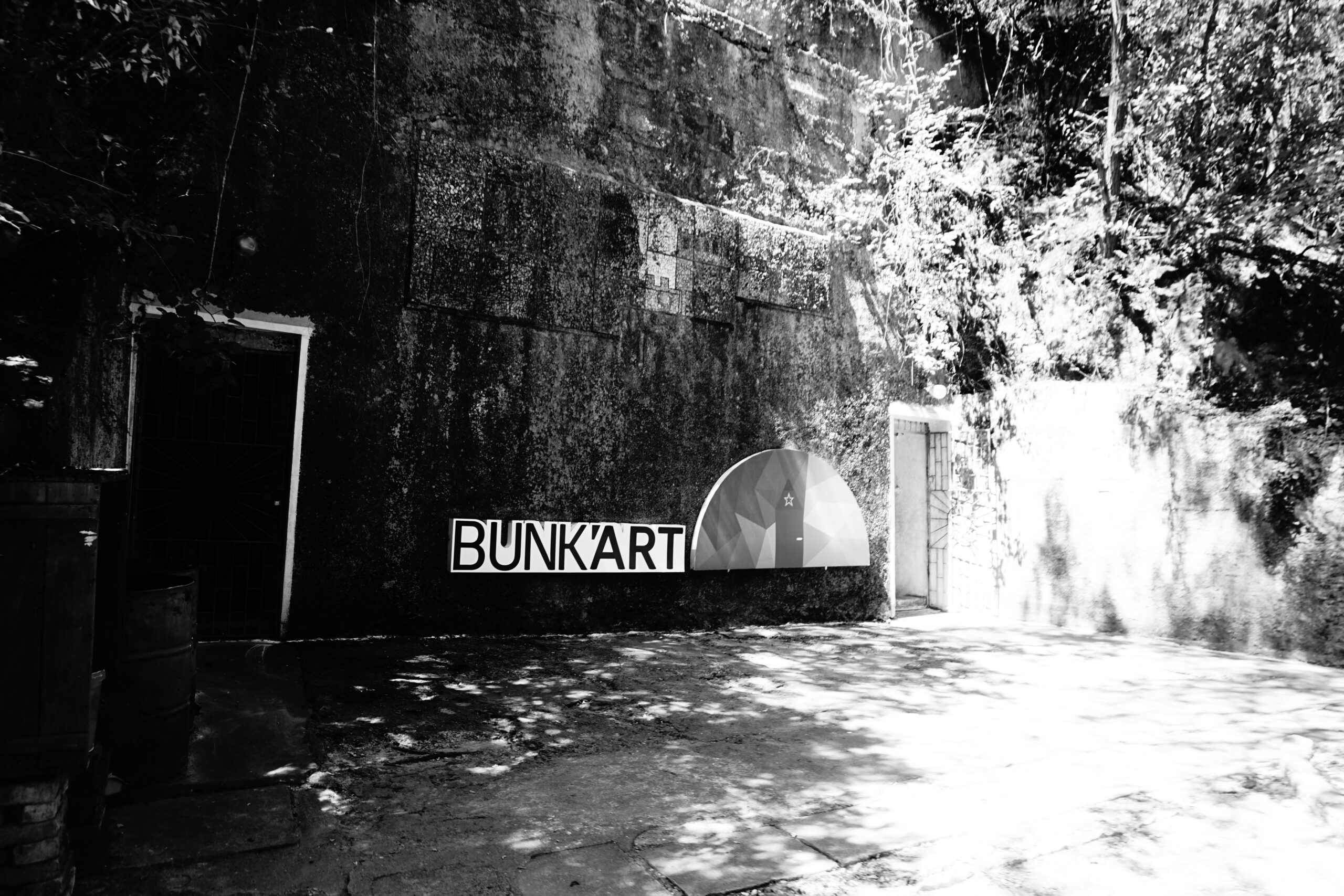
One of the most striking legacies of Albania’s communist era is its obsession with defense. Bunk’Art 1, located on the outskirts of Tirana near Mount Dajti, is the most dramatic example. Built as a nuclear shelter for top government officials, this massive underground complex was designed to function during an apocalyptic scenario that never came.

Walking through its long concrete corridors feels surreal. Former living quarters, command rooms, medical facilities, and assembly halls remain intact, giving visitors a sense of how the leadership expected to survive while the rest of the population remained exposed. Today, the bunker serves as a museum blending historical exhibits with art installations. It captures not only the political ideology of the time but also the deep fear that defined it.

Bunk’Art 2: Power and Paranoia in the Heart of Tirana

While Bunk’Art 1 focuses on national survival, Bunk’Art 2 examines internal control. Located directly beneath central Tirana, this bunker was constructed for the Ministry of Interior and high-ranking officials. It is smaller than Bunk’Art 1 but arguably more unsettling.

The museum concentrates on the mechanisms of repression: secret trials, propaganda, and the constant presence of surveillance. Exhibits explore how ordinary citizens could be arrested for a careless comment or an unapproved opinion. The bunker’s proximity to Skanderbeg Square makes the experience even more powerful — reminders of dictatorship lying just beneath a modern, lively city.

The House of Leaves: Inside the Surveillance State

Few places explain communist Albania as clearly as the House of Leaves, officially known as the Museum of Secret Surveillance. Housed in a former Sigurimi (secret police) building, this museum reveals how deeply the state infiltrated private life.

Rooms display listening devices, wiretapping equipment, and reconstructed interrogation spaces. Ordinary household objects were often modified to hide microphones, making privacy nearly impossible. What makes this museum particularly impactful is its focus on real people: artists, writers, engineers, and teachers who were monitored, imprisoned, or silenced.

Rather than sensationalizing the past, the House of Leaves presents it quietly and methodically, allowing visitors to understand how fear became a tool of governance.

The Pyramid of Tirana: A Symbol Reimagined

The Pyramid of Tirana stands as one of Albania’s most controversial structures. Originally built as a museum honoring Enver Hoxha, the building embodied the cult of personality surrounding the dictator. Its sharp angles and heavy concrete design reflect the monumental style favored by communist regimes.

After the fall of communism, the pyramid became a symbol of uncertainty. It was abandoned, repurposed, criticized, and debated for decades. Today, it is being transformed into a cultural and educational space, showing how Albania continues to reinterpret its communist legacy rather than erase it. Seeing the pyramid now offers a unique chance to witness how history evolves rather than remains frozen.

Postbllok Memorial: Remembering the Victims

Not all communist remnants are buildings. Postbllok Memorial, located in central Tirana, is a simple but powerful tribute to those who suffered under the regime. The memorial combines three elements: concrete beams from a labor camp, a small bunker, and a section of the Berlin Wall.

Together, they represent imprisonment, isolation, and division. There are no long explanations or guided routes — just stark materials placed in public space. The memorial invites reflection rather than instruction, making it one of the most emotionally resonant stops for visitors interested in Albania’s recent history.

Spaç Prison: The Cost of Dissent

For travelers willing to venture beyond Tirana, Spaç Prison offers a raw and unforgettable experience. Located in a remote mountainous area, this former labor camp housed political prisoners forced to work in nearby mines under brutal conditions.

The prison buildings are largely abandoned, exposed to weather and time. Cells, guard towers, and work areas remain, creating an atmosphere that is both haunting and sobering. Unlike curated museums, Spaç feels unfiltered — a place where suffering is not stylized or softened. It stands as a reminder of how dissent was punished and how isolation was used as a weapon.

Bunkers Across the Landscape

Perhaps the most visible communist legacy in Albania is the sheer number of concrete bunkers scattered across the countryside. Built in the hundreds of thousands, these small domed structures were designed for individual or small-unit defense against an imagined invasion.

Today, bunkers appear on beaches, in fields, along roads, and even within cities. Some have been transformed into cafes, art spaces, or shelters, while others remain untouched. Seeing them in everyday settings highlights how deeply militarization was embedded in Albanian life.

Gjirokastër’s Cold War Tunnel

In southern Albania, the historic city of Gjirokastër offers another glimpse into Cold War paranoia. Beneath the old town lies a network of tunnels built to protect officials during an attack. Visitors can walk through these narrow passages and imagine how the city prepared for a future defined by fear.

Combined with Gjirokastër’s Ottoman architecture and stone houses, the tunnel creates a striking contrast between centuries of history layered in one place.

Why These Sites Matter

Visiting Albania’s communist-era sites is not about glorifying the past. It is about understanding how ideology, isolation, and power shaped a nation and its people. These places help explain modern Albania — its resilience, its skepticism of authority, and its determination to move forward without forgetting.

For travelers interested in history, politics, or human rights, Albania offers one of Europe’s most honest and accessible encounters with the legacy of communism.

Final Thoughts

Albania’s Soviet-era remnants form a unique historical landscape unlike anywhere else in Europe. From massive underground bunkers to quiet memorials and abandoned prisons, these sites tell stories that textbooks alone cannot convey. They challenge visitors to reflect on freedom, memory, and the long shadow of authoritarian rule.

Exploring them is not always comfortable — but it is always meaningful.

Read article

A Food Lover’s Guide to Albanian Cuisine

Albania is a land of breathtaking landscapes, rich history, and vibrant culture—but one of its most captivating treasures is its cuisine. Rooted in Mediterranean flavors, with influences from Ottoman, Greek, and Italian culinary traditions, Albanian food is an irresistible blend of fresh ingredients, hearty dishes, and rich flavors that reflect the country’s agricultural bounty and deep connection to its traditions. Whether you’re exploring seaside towns, mountainous villages, or bustling cities, Albanian cuisine will surprise and delight you. Here’s a guide to help you navigate this food lover’s paradise.


Breakfast Delights
Start your day the Albanian way with a simple yet fulfilling breakfast.

Byrek: A flaky pastry filled with cheese, spinach, or meat, byrek is a staple across Albania. Paired with a cup of Turkish coffee, it’s the perfect start to your day.
Petulla: These fried dough treats are often served with powdered sugar, honey, or homemade jams. They’re reminiscent of donuts but have a unique Albanian twist.

Petulla
Albanian Petulla

Iconic Dishes You Must Try
Albanian cuisine boasts hearty and flavorful dishes that showcase the country’s diverse regions.
Tavë Kosi: This national dish consists of lamb baked with yogurt and eggs. It’s a comforting, tangy delight that represents the essence of Albanian cooking.

Fërgesë: A creamy stew made with peppers, tomatoes, cottage cheese, and spices. This dish is a summer favorite and is often served with freshly baked bread.
Pasha Qofte: A rich soup made from small meatballs and creamy milk-based broth, traditionally found in Gjirokastër.
Koran Fish: A delicacy from Lake Ohrid, this freshwater fish is often grilled and served with simple herbs and lemon.


Street Food Adventures
For food on the go, Albania offers delicious and affordable street food options.
Qofte: Grilled meatballs made from lamb or beef, served with onions and bread.
Sufllaqe: The Albanian version of a Greek gyro, filled with juicy meat, fresh vegetables, and creamy tzatziki sauce, wrapped in soft pita bread.
Sweet Corn: Roasted corn on the cob, often sold by street vendors, is a simple yet satisfying snack.


A Taste of the Sea
With its stunning Adriatic and Ionian coastlines, Albania is a haven for seafood lovers.

Grilled Octopus: Marinated in olive oil and herbs, this tender dish is a coastal favorite.
Shrimp Risotto: Creamy and flavorful, this dish highlights Albania’s connection to the sea.
Stuffed Squid: Often filled with rice and herbs, this dish is both hearty and delicate.


Why Albanian Cuisine Deserves Your Attention
Albanian food is more than just a meal; it’s a celebration of life, culture, and community. The emphasis on fresh, local ingredients and time-honored recipes ensures every dish tells a story. Whether you’re feasting on byrek at a roadside stall, enjoying seafood by the sea, or sipping raki with locals, Albanian cuisine promises to leave you with unforgettable memories. So, pack your appetite and prepare to embark on a flavorful journey through Albania. Bon appétit—or as the locals say, Të bëftë mirë!

Read article

Albania’s UNESCO World Heritage Sites: A Journey Through Time

Albania may be a small country, but its cultural and natural heritage is remarkably rich. Positioned at the crossroads of civilizations, Albania has absorbed influences from Illyrian tribes, Romans, Byzantines, Ottomans, and modern Europe. This layered history is recognized globally through several UNESCO World Heritage Sites, each offering a distinct window into the country’s past and identity.

Visiting Albania’s UNESCO sites is not simply about ticking landmarks off a list. These places reveal how Albanians lived, built, believed, and adapted over centuries. From ancient ruins to stone-built cities and prehistoric landscapes, these destinations form the backbone of any meaningful journey through the country.

Butrint: An Ancient City Shaped by Civilizations

Located in southern Albania near the Greek border, Butrint is one of the country’s most extraordinary UNESCO sites. Unlike isolated ruins, Butrint is an entire ancient city set within a lush natural landscape of wetlands and forests.

Founded in antiquity, Butrint passed through the hands of multiple civilizations. The remains include Greek theaters, Roman baths, early Christian basilicas, Byzantine fortifications, and Venetian defenses. Each era built upon the last rather than erasing it, creating a layered archaeological story that unfolds as you walk through the site.

What makes Butrint especially memorable is its atmosphere. The ruins are surrounded by water and greenery, giving the impression of a city slowly reclaimed by nature. Peacocks wander among the stones, and quiet paths invite reflection. Butrint offers a rare combination of historical depth and natural beauty, making it one of the most compelling ancient sites in the Balkans.

Historic Centres of Berat and Gjirokastër: Cities of Stone and Tradition

Two of Albania’s most iconic towns, Berat and Gjirokastër, are jointly listed as UNESCO World Heritage Sites for their exceptional preservation of Ottoman-era urban architecture. Though geographically distant, they share a similar spirit: stone houses climbing hillsides, narrow streets, and a sense of continuity that feels almost untouched by time.

Berat is often called the “city of a thousand windows.” Its white Ottoman houses rise along the slopes above the Osum River, their large windows facing outward in careful symmetry. The historic quarters of Mangalem and Gorica sit on opposite sides of the river, connected by an ancient stone bridge. Above them all stands Berat Castle, still inhabited today, blending everyday life with centuries-old walls.

Gjirokastër, by contrast, feels more dramatic. Known as the “stone city,” its slate-roofed houses and fortress dominate the surrounding valley. The architecture here reflects wealth, defense, and status, with fortified homes designed to protect extended families. Walking through Gjirokastër’s old bazaar and steep streets feels like stepping into a living museum.

Together, Berat and Gjirokastër illustrate how Albanian cities adapted Ottoman influences into something uniquely local, balancing beauty, practicality, and resilience.

Gjirokastër Fortress: A Stronghold of Power and Memory

While Gjirokastër is already included as a historic center, its fortress deserves special attention. Perched high above the town, the castle has served many roles over the centuries: military base, prison, and symbol of authority.

The fortress walls enclose expansive courtyards, towers, and underground spaces. From its ramparts, visitors can see sweeping views of the Drino Valley and surrounding mountains. Inside, exhibits explore local history, military artifacts, and the changing use of the structure over time.

The fortress also reflects Albania’s turbulent 20th century. During the communist era, parts of it were used as a prison, linking the site not only to medieval power but also to modern political repression. This layered history makes the fortress a powerful place to understand Albania’s long struggle for autonomy and identity.

Ohrid Region (Shared Heritage): A Natural and Cultural Treasure

Although better known for its North Macedonian side, the Ohrid region includes Albanian territory and forms part of a UNESCO-listed natural and cultural landscape. Lake Ohrid is one of Europe’s oldest and deepest lakes, home to unique ecosystems and human settlement stretching back thousands of years.

On the Albanian side, small villages and ancient remains reveal how people have lived alongside the lake for centuries. The site’s significance lies in the interaction between nature and culture — a theme increasingly valued by UNESCO.

Visiting this region offers a quieter, less crowded experience compared to other European lake destinations. It highlights Albania’s role in protecting shared heritage and demonstrates how cultural identity often extends beyond modern borders.


Ancient Beech Forests of the Carpathians and Other Regions of Europe

Albania is also part of a transnational UNESCO site: the Ancient and Primeval Beech Forests of Europe. These forests represent untouched ecosystems that have survived since the last Ice Age.

In Albania, protected beech forests can be found in mountainous regions where human impact has remained minimal. Visiting these areas offers a completely different UNESCO experience — one rooted in ecology rather than architecture.

Walking through these forests, visitors encounter towering trees, quiet trails, and a sense of deep time. The inclusion of Albania in this listing underscores the country’s importance not only as a cultural crossroads, but also as a guardian of Europe’s natural heritage.


Why UNESCO Sites Matter in Albania

Albania’s UNESCO sites are united by one theme: survival. Empires came and went, borders shifted, and ideologies rose and fell, yet these places endured. In many cases, preservation was not the result of wealth or power, but of isolation and continuity.

Unlike more heavily touristed UNESCO destinations, Albania’s sites often feel intimate. You can wander ancient streets, climb fortress walls, or explore archaeological paths without crowds or commercialization. This creates a more personal connection to history and allows visitors to experience heritage as lived space rather than staged attraction.

Tips for Visiting Albania’s UNESCO Sites

  • Allow time for slow exploration; these sites reward patience.

  • Combine cultural visits with local food and conversation to deepen context.

  • Respect preservation rules, especially in archaeological and natural areas.

  • Travel beyond peak summer months for a more authentic experience.


Final Thoughts

Albania’s UNESCO World Heritage Sites offer a journey through thousands of years of human and natural history. From ancient cities reclaimed by nature to stone towns that still breathe with daily life, these places tell stories of adaptation, creativity, and endurance.

For travelers seeking depth rather than spectacle, Albania’s UNESCO heritage provides a rare opportunity: to explore world-class sites that still feel personal, authentic, and deeply connected to the people who call them home.
Read article

Exploring Albanian Religious Culture and History: Four Sacred Sites to Visit

Albania is often described as one of Europe’s most religiously tolerant countries, but that reputation did not appear overnight. Shaped by centuries of shifting empires, belief systems, and political ideologies, Albanian religious culture is deeply intertwined with national identity, resilience, and coexistence. Christianity arrived early, Islam spread during the Ottoman era, and all faiths endured decades of suppression during the communist period, when Albania declared itself the world’s first officially atheist state.

Today, religious life has re-emerged not as a source of division, but as a quiet reflection of history and shared values. Visiting Albania’s sacred sites is less about strict devotion and more about understanding how faith, culture, and survival intersect. The following four sites offer a powerful introduction to Albania’s religious heritage, each representing a different layer of the country’s spiritual story.

1. Et’hem Bey Mosque (Tirana): Faith at the Center of Public Life

Located in Skanderbeg Square, the Et’hem Bey Mosque stands at the symbolic heart of Albania’s capital. Built in the late 18th and early 19th centuries, the mosque reflects the Ottoman influence that shaped much of Albania’s religious and architectural landscape.

What makes this mosque especially important is not its size, but its survival. During the communist era, religious practice was banned, mosques and churches were closed, and clergy were imprisoned or executed. Et’hem Bey Mosque was shut for decades, yet it remained physically intact. In 1991, as communism collapsed, thousands of people gathered here for the first public prayer in a generation — a quiet but powerful act of reclaiming religious freedom.

Inside, the mosque’s frescoes are unusually detailed, depicting trees, waterfalls, and landscapes rather than purely geometric designs. These natural motifs reflect a softer, more localized interpretation of Islamic art. Visiting Et’hem Bey offers insight into how Islam in Albania developed alongside local traditions, rather than replacing them.

2. Orthodox Autocephalous Cathedral of the Resurrection (Tirana): Renewal and Identity

Just a short walk from Et’hem Bey Mosque stands the Orthodox Cathedral of the Resurrection, one of the largest Orthodox churches in the Balkans. Completed in the 21st century, the cathedral represents not ancient continuity, but rebirth.

Orthodox Christianity has deep roots in southern Albania, dating back to early Christianity in the Roman and Byzantine periods. However, decades of state atheism nearly erased visible Orthodox life. The construction of this cathedral after the fall of communism symbolized the return of faith and the reassertion of Albanian Orthodox identity.

Architecturally, the cathedral blends traditional Orthodox elements with modern design. Its clean lines, large dome, and contemporary materials reflect Albania’s forward-looking approach to religion — respectful of tradition without being trapped by it. Inside, iconography follows Orthodox conventions, yet the atmosphere feels open and welcoming rather than imposing.

The cathedral is also a cultural space, hosting concerts and public events. This dual role highlights an important feature of Albanian religious life: sacred spaces often function as places of community rather than strict separation.

3. Ardenica Monastery (Central Albania): A Christian Sanctuary Through Empires

Set atop a hill overlooking fertile plains, Ardenica Monastery is one of Albania’s most historically rich Christian sites. Founded in the Middle Ages, the monastery has survived Byzantine rule, Ottoman domination, and communist repression.

Ardenica is especially significant because it represents continuity. While many religious institutions were destroyed or abandoned over time, this monastery endured, albeit quietly. Its location — secluded but not isolated — allowed it to function as a place of learning and worship for centuries.

Inside the Church of Saint Mary, visitors find frescoes painted by renowned Balkan artists. The artwork blends religious themes with local influences, showing saints dressed in regional styles and faces that feel distinctly human. This personalization reflects how Christianity in Albania adapted to local culture rather than existing apart from it.

The monastery is also linked to Albanian national history. It is believed that the national hero Skanderbeg was married here, connecting religious heritage with the broader story of Albanian resistance and identity.

4. Bektashi World Headquarters (Tirana): Spirituality, Tolerance, and Mysticism

One of Albania’s most unique religious traditions is Bektashism, a Sufi Islamic order known for its emphasis on spirituality, equality, and tolerance. The Bektashi World Headquarters in Tirana is not only the global center of the order, but also a powerful symbol of Albania’s inclusive religious culture.

Unlike more orthodox forms of Islam, Bektashism incorporates elements of mysticism, poetry, and symbolic ritual. It has historically welcomed people of different backgrounds and promoted harmony between faiths. This philosophy resonated strongly in Albania, where religious identity often took a back seat to shared language and culture.

The complex itself feels peaceful rather than formal. Visitors are often welcomed with tea and conversation, reflecting the Bektashi emphasis on hospitality. Shrines, portraits of spiritual leaders, and quiet courtyards invite reflection rather than strict observance.

During the communist era, Bektashi leaders were persecuted, and many tekkes were destroyed. The survival and revival of the order after 1991 stands as a testament to Albania’s spiritual resilience and its commitment to religious coexistence.

Religion and Coexistence in Albanian Culture

What unites these four sites is not theological similarity, but shared history. Albania’s religious culture is defined less by doctrine and more by experience: centuries of foreign rule, shared hardship, and enforced silence under communism.

Today, it is common to see mosques, churches, and tekkes standing within minutes of each other. Interfaith families are not unusual, and religious holidays are often respected across communities. This coexistence is not performative — it is practical, shaped by the understanding that identity in Albania has always been layered.

Religion here is personal rather than political, cultural rather than confrontational.

Tips for Visiting Religious Sites in Albania

  • Dress modestly, especially when entering mosques and monasteries.

  • Photography is usually allowed, but always observe posted signs.

  • Be respectful of prayer times and ceremonies.

  • Engage in conversation when invited — Albanians are often eager to share their history.


Final Thoughts

Exploring Albania’s religious sites offers more than architectural beauty or historical facts. It reveals how faith survived suppression, adapted to cultural realities, and re-emerged as a quiet force for unity rather than division.

By visiting the Et’hem Bey Mosque, the Orthodox Cathedral of the Resurrection, Ardenica Monastery, and the Bektashi World Headquarters, travelers gain a deeper understanding of Albania’s past — and a clearer picture of why religious tolerance is not just an ideal here, but a lived reality.

In Albania, religion tells a story not of conflict, but of endurance.

Read article

Top Adventure Activities in Albania for Thrill-Seekers

Albania may still be an under-the-radar destination, but for adventure travelers it is one of Europe’s most exciting frontiers. With wild mountain ranges, untamed rivers, rugged coastlines, and vast open landscapes, the country offers a rare combination: raw nature, minimal crowds, and genuinely challenging outdoor experiences. Whether you crave adrenaline, endurance, or exploration, Albania delivers adventure in its purest form.

From canyoning through limestone gorges to paragliding above the Ionian Sea, Albania is a playground for thrill-seekers who want more than polished resorts and overdeveloped trails.

White-Water Rafting on the Vjosa River

One of Albania’s greatest natural treasures is the Vjosa River, one of the last free-flowing wild rivers in Europe. Unlike many European rivers that are heavily dammed, the Vjosa runs untouched from the Pindus Mountains to the Adriatic Sea.

Rafting here is both thrilling and scenic. Rapids range from beginner-friendly stretches to more technical sections that test balance and teamwork. Spring snowmelt creates faster currents, while summer offers clearer water and calmer conditions. What makes rafting on the Vjosa special isn’t just the adrenaline — it’s the sense of isolation. You’re surrounded by steep canyon walls, forests, and silence broken only by rushing water.

Canyoning in Osum Canyon

Osum Canyon, often called Albania’s “Grand Canyon,” is a dream destination for canyoning enthusiasts. Towering limestone walls, narrow passages, waterfalls, and turquoise pools create an ever-changing obstacle course carved by nature.

Canyoning here involves rappelling down waterfalls, jumping into deep pools, swimming through narrow gorges, and navigating smooth rock corridors shaped over thousands of years. During spring and early summer, the canyon is alive with flowing water, adding intensity to the experience. Later in the season, lower water levels make technical maneuvers more accessible.

This is one of Albania’s most immersive adventure activities — demanding physical effort, trust in your guide, and a willingness to embrace the unknown.

Hiking the Accursed Mountains (Albanian Alps)

The Albanian Alps, also known as the Accursed Mountains, offer some of the most dramatic hiking terrain in the Balkans. Sharp peaks, deep valleys, and remote villages define this rugged region in northern Albania.

Multi-day treks between villages like Valbona, Theth, and Vermosh challenge endurance while rewarding hikers with sweeping views and authentic mountain hospitality. Trails climb through dense forests, alpine meadows, and exposed ridgelines. Unlike crowded Alpine routes elsewhere in Europe, these paths feel wild and personal.

For thrill-seekers, the appeal lies in both the physical challenge and the remoteness. Weather can change quickly, trails can be demanding, and self-reliance is essential — making every successful trek deeply satisfying.

Rock Climbing in Albania’s Limestone Crags

Albania’s geology makes it a natural rock-climbing destination. Limestone cliffs rise sharply along rivers, valleys, and coastal areas, offering a range of routes for climbers of different levels.

Areas near Berat, Gjipe Canyon, and the Albanian Riviera feature both sport climbing and trad opportunities. Many routes remain relatively unexplored, adding an element of discovery to each climb. For experienced climbers, the thrill comes from reading new lines and trusting your skills in less commercialized areas.

Climbing here often combines adrenaline with stunning scenery — vertical ascents framed by olive groves, turquoise water, and ancient landscapes.

Paragliding Over the Albanian Riviera

For those who prefer airborne thrills, paragliding along the Albanian Riviera offers unforgettable views and heart-pounding moments. Launch points near Llogara Pass provide dramatic elevation changes, allowing pilots to glide from mountain heights toward the Ionian Sea.

Floating above cliffs, forests, and coastal villages delivers a sense of freedom that few experiences can match. Thermal currents and coastal winds create dynamic flying conditions, making each flight unique.

Even tandem flights provide an intense rush, especially during takeoff and landing, while the extended airtime lets you absorb Albania’s coastal beauty from an entirely new perspective.

Scuba Diving and Freediving in the Ionian Sea

Albania’s southern coastline hides underwater adventures that remain largely undiscovered. The Ionian Sea offers clear visibility, rocky reefs, sea caves, and even shipwrecks waiting to be explored.

Scuba diving reveals steep underwater walls and marine life thriving in relatively untouched waters. Freediving, in particular, appeals to thrill-seekers who value control, breath-holding, and mental focus. Diving into blue depths along dramatic cliffs adds an element of personal challenge that goes beyond standard recreational dives.

The absence of mass tourism means dive sites feel quiet and authentic, heightening the sense of exploration.

Off-Roading Through Remote Landscapes

For adrenaline lovers who prefer engines to ropes, Albania’s terrain is ideal for off-road adventures. Mountain tracks, river crossings, and rough gravel roads wind through remote regions where modern infrastructure barely exists.

4×4 expeditions through areas like the Albanian Alps or the southern highlands test driving skills and navigation. Changing weather, steep climbs, and uneven surfaces demand constant attention. Off-roading here isn’t about speed — it’s about control, endurance, and adapting to unpredictable conditions.

Every journey feels like an expedition rather than a tour.

Mountain Biking on Wild Trails

Albania’s rugged landscapes also attract mountain bikers looking for technical descents and long endurance rides. Trails cut through mountain passes, forest paths, and abandoned roads once used by shepherds and military patrols.

Steep climbs are followed by fast, rocky descents that demand precision and stamina. In remote areas, riders must carry their own supplies and plan carefully, adding a layer of self-sufficiency that appeals to experienced cyclists.

Biking here is challenging, physical, and deeply rewarding — with few crowds and endless open space.

Kayaking Along Canyons and Coastlines

Sea kayaking along Albania’s coast offers a different kind of thrill. Paddling past cliffs, caves, and hidden beaches requires strength and navigation skills, especially when conditions change.

Inland, river kayaking through gorges delivers fast water, tight turns, and technical sections. Whether on the sea or rivers, kayaking in Albania combines physical exertion with moments of calm, creating a balanced adventure experience.

Why Albania Is Perfect for Thrill-Seekers

Albania stands out because its adventures are still raw. Trails aren’t overdeveloped, rivers aren’t heavily regulated, and landscapes feel genuine rather than curated. This means greater responsibility — but also greater reward.

For thrill-seekers, Albania offers something increasingly rare in Europe: true adventure shaped by nature, not tourism.

Final Thoughts

From white-water rapids and alpine hikes to airborne thrills and underwater exploration, Albania is a destination where adrenaline meets authenticity. It challenges you physically, tests your comfort zone, and rewards you with unforgettable landscapes and experiences.

If you’re searching for adventure that feels real — not rehearsed — Albania is waiting.

See More Insights