


Albania is one of Europe’s most intriguing destinations for travelers interested in Cold War history. For nearly half a century, the country lived under one of the most rigid communist regimes in the world. Although Albania was never formally part of the Soviet Union, its political system, architecture, and ideology were deeply shaped by Soviet-style communism. Under the rule of Enver Hoxha, Albania became isolated, paranoid, and heavily militarized, leaving behind physical reminders that still dot the landscape today.
From underground bunkers to abandoned prisons and stark monuments, Albania’s communist remnants tell the story of fear, control, and survival. Visiting these sites offers more than sightseeing — it provides insight into how ideology shaped daily life and how Albanians now confront a difficult past.
Bunk’Art 1: A Cold War World Beneath the Mountain
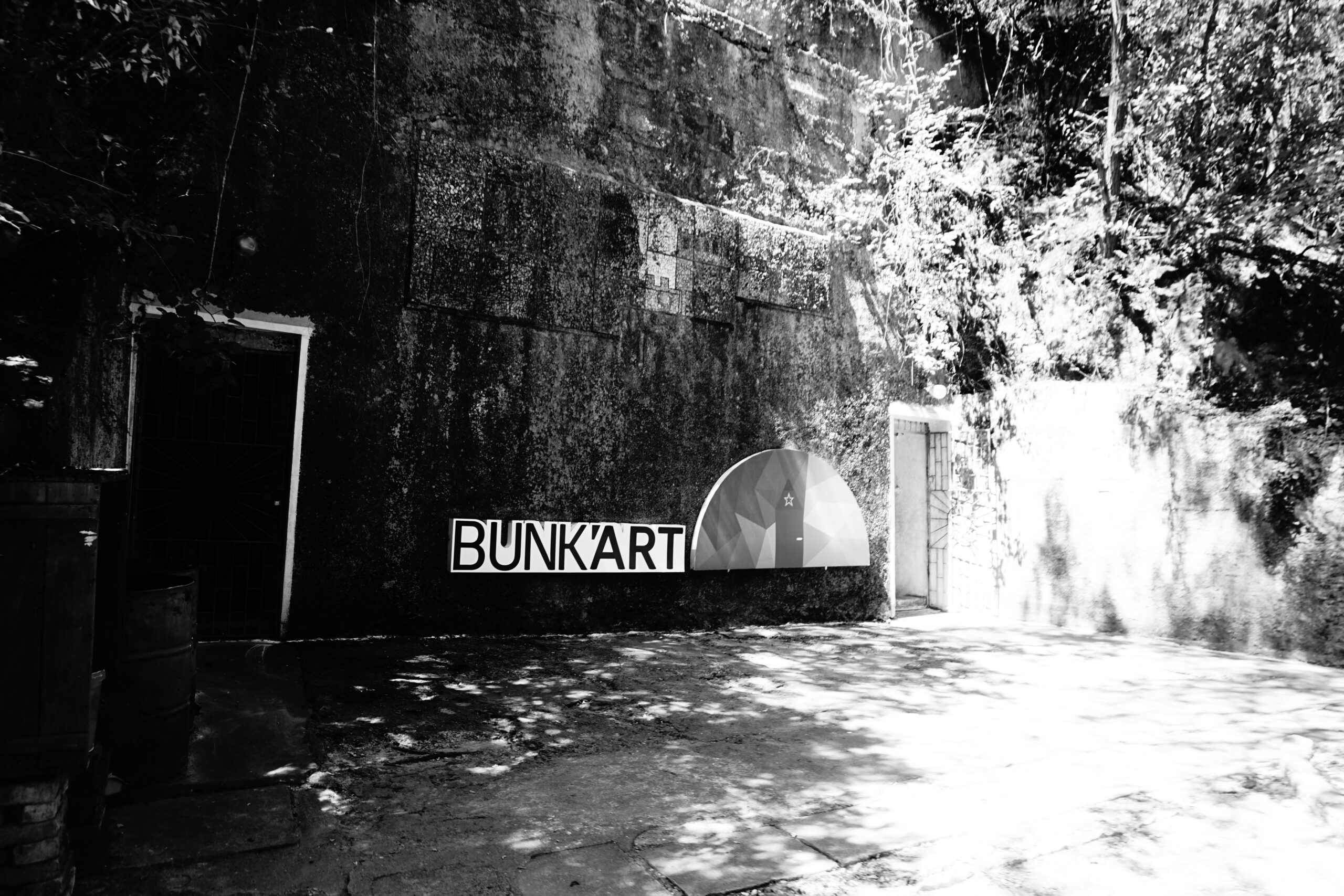
One of the most striking legacies of Albania’s communist era is its obsession with defense. Bunk’Art 1, located on the outskirts of Tirana near Mount Dajti, is the most dramatic example. Built as a nuclear shelter for top government officials, this massive underground complex was designed to function during an apocalyptic scenario that never came.
Walking through its long concrete corridors feels surreal. Former living quarters, command rooms, medical facilities, and assembly halls remain intact, giving visitors a sense of how the leadership expected to survive while the rest of the population remained exposed. Today, the bunker serves as a museum blending historical exhibits with art installations. It captures not only the political ideology of the time but also the deep fear that defined it.
Bunk’Art 2: Power and Paranoia in the Heart of Tirana
While Bunk’Art 1 focuses on national survival, Bunk’Art 2 examines internal control. Located directly beneath central Tirana, this bunker was constructed for the Ministry of Interior and high-ranking officials. It is smaller than Bunk’Art 1 but arguably more unsettling.
The museum concentrates on the mechanisms of repression: secret trials, propaganda, and the constant presence of surveillance. Exhibits explore how ordinary citizens could be arrested for a careless comment or an unapproved opinion. The bunker’s proximity to Skanderbeg Square makes the experience even more powerful — reminders of dictatorship lying just beneath a modern, lively city.
The House of Leaves: Inside the Surveillance State
Few places explain communist Albania as clearly as the House of Leaves, officially known as the Museum of Secret Surveillance. Housed in a former Sigurimi (secret police) building, this museum reveals how deeply the state infiltrated private life.
Rooms display listening devices, wiretapping equipment, and reconstructed interrogation spaces. Ordinary household objects were often modified to hide microphones, making privacy nearly impossible. What makes this museum particularly impactful is its focus on real people: artists, writers, engineers, and teachers who were monitored, imprisoned, or silenced.
Rather than sensationalizing the past, the House of Leaves presents it quietly and methodically, allowing visitors to understand how fear became a tool of governance.
The Pyramid of Tirana: A Symbol Reimagined
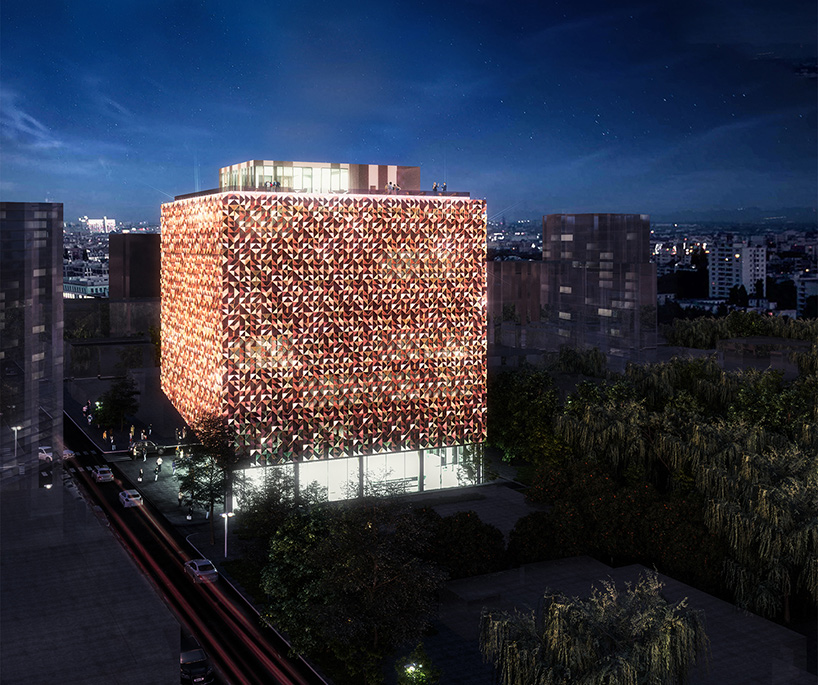
The Pyramid of Tirana stands as one of Albania’s most controversial structures. Originally built as a museum honoring Enver Hoxha, the building embodied the cult of personality surrounding the dictator. Its sharp angles and heavy concrete design reflect the monumental style favored by communist regimes.
After the fall of communism, the pyramid became a symbol of uncertainty. It was abandoned, repurposed, criticized, and debated for decades. Today, it is being transformed into a cultural and educational space, showing how Albania continues to reinterpret its communist legacy rather than erase it. Seeing the pyramid now offers a unique chance to witness how history evolves rather than remains frozen.
Postbllok Memorial: Remembering the Victims
Not all communist remnants are buildings. Postbllok Memorial, located in central Tirana, is a simple but powerful tribute to those who suffered under the regime. The memorial combines three elements: concrete beams from a labor camp, a small bunker, and a section of the Berlin Wall.
Together, they represent imprisonment, isolation, and division. There are no long explanations or guided routes — just stark materials placed in public space. The memorial invites reflection rather than instruction, making it one of the most emotionally resonant stops for visitors interested in Albania’s recent history.
Spaç Prison: The Cost of Dissent
For travelers willing to venture beyond Tirana, Spaç Prison offers a raw and unforgettable experience. Located in a remote mountainous area, this former labor camp housed political prisoners forced to work in nearby mines under brutal conditions.
The prison buildings are largely abandoned, exposed to weather and time. Cells, guard towers, and work areas remain, creating an atmosphere that is both haunting and sobering. Unlike curated museums, Spaç feels unfiltered — a place where suffering is not stylized or softened. It stands as a reminder of how dissent was punished and how isolation was used as a weapon.
Bunkers Across the Landscape
Perhaps the most visible communist legacy in Albania is the sheer number of concrete bunkers scattered across the countryside. Built in the hundreds of thousands, these small domed structures were designed for individual or small-unit defense against an imagined invasion.
Today, bunkers appear on beaches, in fields, along roads, and even within cities. Some have been transformed into cafes, art spaces, or shelters, while others remain untouched. Seeing them in everyday settings highlights how deeply militarization was embedded in Albanian life.
Gjirokastër’s Cold War Tunnel
In southern Albania, the historic city of Gjirokastër offers another glimpse into Cold War paranoia. Beneath the old town lies a network of tunnels built to protect officials during an attack. Visitors can walk through these narrow passages and imagine how the city prepared for a future defined by fear.
Combined with Gjirokastër’s Ottoman architecture and stone houses, the tunnel creates a striking contrast between centuries of history layered in one place.
Why These Sites Matter
Visiting Albania’s communist-era sites is not about glorifying the past. It is about understanding how ideology, isolation, and power shaped a nation and its people. These places help explain modern Albania — its resilience, its skepticism of authority, and its determination to move forward without forgetting.
For travelers interested in history, politics, or human rights, Albania offers one of Europe’s most honest and accessible encounters with the legacy of communism.
Final Thoughts
Albania’s Soviet-era remnants form a unique historical landscape unlike anywhere else in Europe. From massive underground bunkers to quiet memorials and abandoned prisons, these sites tell stories that textbooks alone cannot convey. They challenge visitors to reflect on freedom, memory, and the long shadow of authoritarian rule.
Exploring them is not always comfortable — but it is always meaningful.