


Albania may be a small country, but its cultural and natural heritage is remarkably rich. Positioned at the crossroads of civilizations, Albania has absorbed influences from Illyrian tribes, Romans, Byzantines, Ottomans, and modern Europe. This layered history is recognized globally through several UNESCO World Heritage Sites, each offering a distinct window into the country’s past and identity.
Visiting Albania’s UNESCO sites is not simply about ticking landmarks off a list. These places reveal how Albanians lived, built, believed, and adapted over centuries. From ancient ruins to stone-built cities and prehistoric landscapes, these destinations form the backbone of any meaningful journey through the country.
Butrint: An Ancient City Shaped by Civilizations
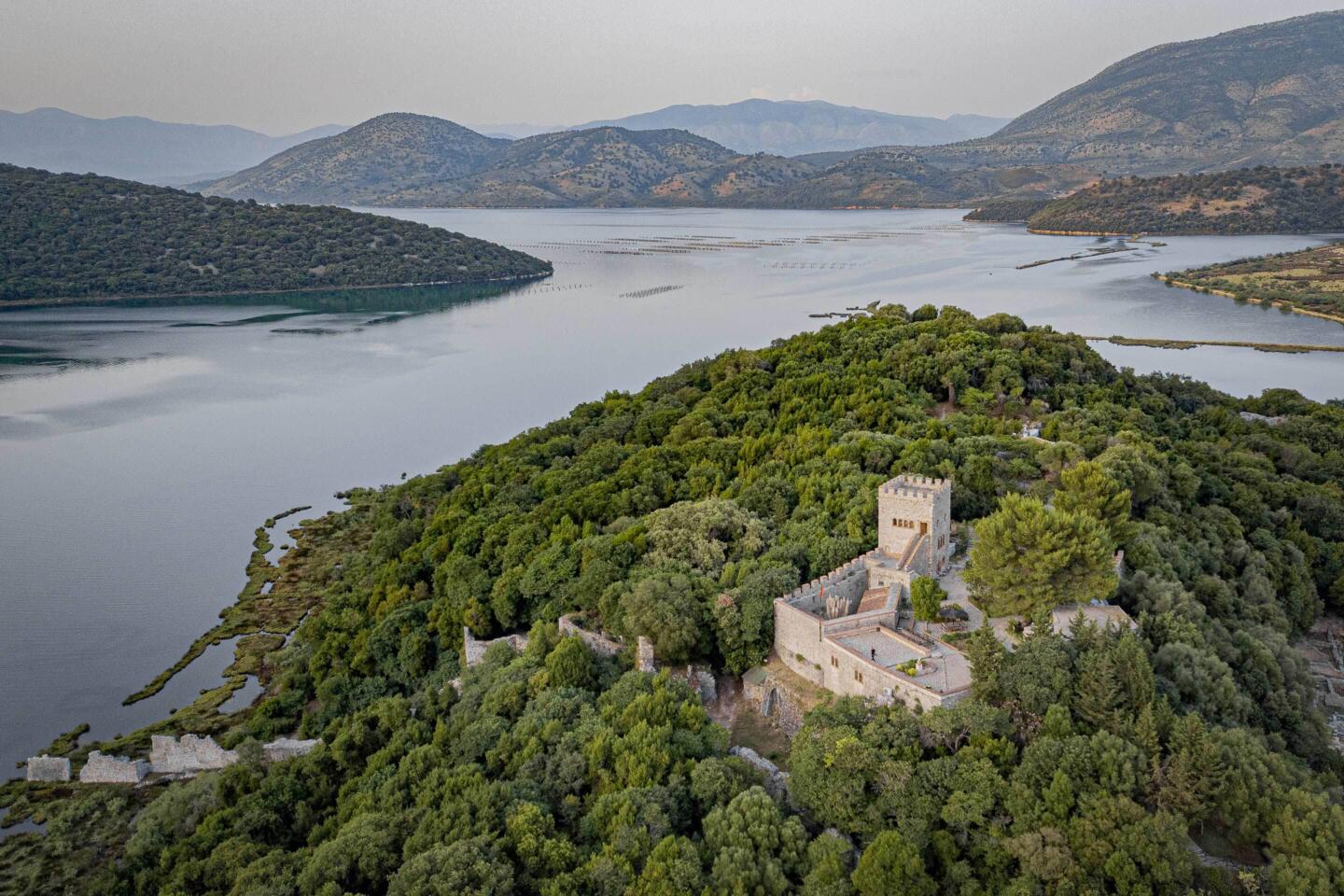
Located in southern Albania near the Greek border, Butrint is one of the country’s most extraordinary UNESCO sites. Unlike isolated ruins, Butrint is an entire ancient city set within a lush natural landscape of wetlands and forests.
Founded in antiquity, Butrint passed through the hands of multiple civilizations. The remains include Greek theaters, Roman baths, early Christian basilicas, Byzantine fortifications, and Venetian defenses. Each era built upon the last rather than erasing it, creating a layered archaeological story that unfolds as you walk through the site.
What makes Butrint especially memorable is its atmosphere. The ruins are surrounded by water and greenery, giving the impression of a city slowly reclaimed by nature. Peacocks wander among the stones, and quiet paths invite reflection. Butrint offers a rare combination of historical depth and natural beauty, making it one of the most compelling ancient sites in the Balkans.
Historic Centres of Berat and Gjirokastër: Cities of Stone and Tradition
Two of Albania’s most iconic towns, Berat and Gjirokastër, are jointly listed as UNESCO World Heritage Sites for their exceptional preservation of Ottoman-era urban architecture. Though geographically distant, they share a similar spirit: stone houses climbing hillsides, narrow streets, and a sense of continuity that feels almost untouched by time.
Berat is often called the “city of a thousand windows.” Its white Ottoman houses rise along the slopes above the Osum River, their large windows facing outward in careful symmetry. The historic quarters of Mangalem and Gorica sit on opposite sides of the river, connected by an ancient stone bridge. Above them all stands Berat Castle, still inhabited today, blending everyday life with centuries-old walls.
Gjirokastër, by contrast, feels more dramatic. Known as the “stone city,” its slate-roofed houses and fortress dominate the surrounding valley. The architecture here reflects wealth, defense, and status, with fortified homes designed to protect extended families. Walking through Gjirokastër’s old bazaar and steep streets feels like stepping into a living museum.
Together, Berat and Gjirokastër illustrate how Albanian cities adapted Ottoman influences into something uniquely local, balancing beauty, practicality, and resilience.
Gjirokastër Fortress: A Stronghold of Power and Memory
While Gjirokastër is already included as a historic center, its fortress deserves special attention. Perched high above the town, the castle has served many roles over the centuries: military base, prison, and symbol of authority.
The fortress walls enclose expansive courtyards, towers, and underground spaces. From its ramparts, visitors can see sweeping views of the Drino Valley and surrounding mountains. Inside, exhibits explore local history, military artifacts, and the changing use of the structure over time.
The fortress also reflects Albania’s turbulent 20th century. During the communist era, parts of it were used as a prison, linking the site not only to medieval power but also to modern political repression. This layered history makes the fortress a powerful place to understand Albania’s long struggle for autonomy and identity.
Ohrid Region (Shared Heritage): A Natural and Cultural Treasure
Although better known for its North Macedonian side, the Ohrid region includes Albanian territory and forms part of a UNESCO-listed natural and cultural landscape. Lake Ohrid is one of Europe’s oldest and deepest lakes, home to unique ecosystems and human settlement stretching back thousands of years.
On the Albanian side, small villages and ancient remains reveal how people have lived alongside the lake for centuries. The site’s significance lies in the interaction between nature and culture — a theme increasingly valued by UNESCO.
Visiting this region offers a quieter, less crowded experience compared to other European lake destinations. It highlights Albania’s role in protecting shared heritage and demonstrates how cultural identity often extends beyond modern borders.
Ancient Beech Forests of the Carpathians and Other Regions of Europe
Albania is also part of a transnational UNESCO site: the Ancient and Primeval Beech Forests of Europe. These forests represent untouched ecosystems that have survived since the last Ice Age.
In Albania, protected beech forests can be found in mountainous regions where human impact has remained minimal. Visiting these areas offers a completely different UNESCO experience — one rooted in ecology rather than architecture.
Walking through these forests, visitors encounter towering trees, quiet trails, and a sense of deep time. The inclusion of Albania in this listing underscores the country’s importance not only as a cultural crossroads, but also as a guardian of Europe’s natural heritage.
Why UNESCO Sites Matter in Albania
Albania’s UNESCO sites are united by one theme: survival. Empires came and went, borders shifted, and ideologies rose and fell, yet these places endured. In many cases, preservation was not the result of wealth or power, but of isolation and continuity.
Unlike more heavily touristed UNESCO destinations, Albania’s sites often feel intimate. You can wander ancient streets, climb fortress walls, or explore archaeological paths without crowds or commercialization. This creates a more personal connection to history and allows visitors to experience heritage as lived space rather than staged attraction.
Tips for Visiting Albania’s UNESCO Sites
-
Allow time for slow exploration; these sites reward patience.
-
Combine cultural visits with local food and conversation to deepen context.
-
Respect preservation rules, especially in archaeological and natural areas.
-
Travel beyond peak summer months for a more authentic experience.
Final Thoughts
Albania’s UNESCO World Heritage Sites offer a journey through thousands of years of human and natural history. From ancient cities reclaimed by nature to stone towns that still breathe with daily life, these places tell stories of adaptation, creativity, and endurance.
For travelers seeking depth rather than spectacle, Albania’s UNESCO heritage provides a rare opportunity: to explore world-class sites that still feel personal, authentic, and deeply connected to the people who call them home.